
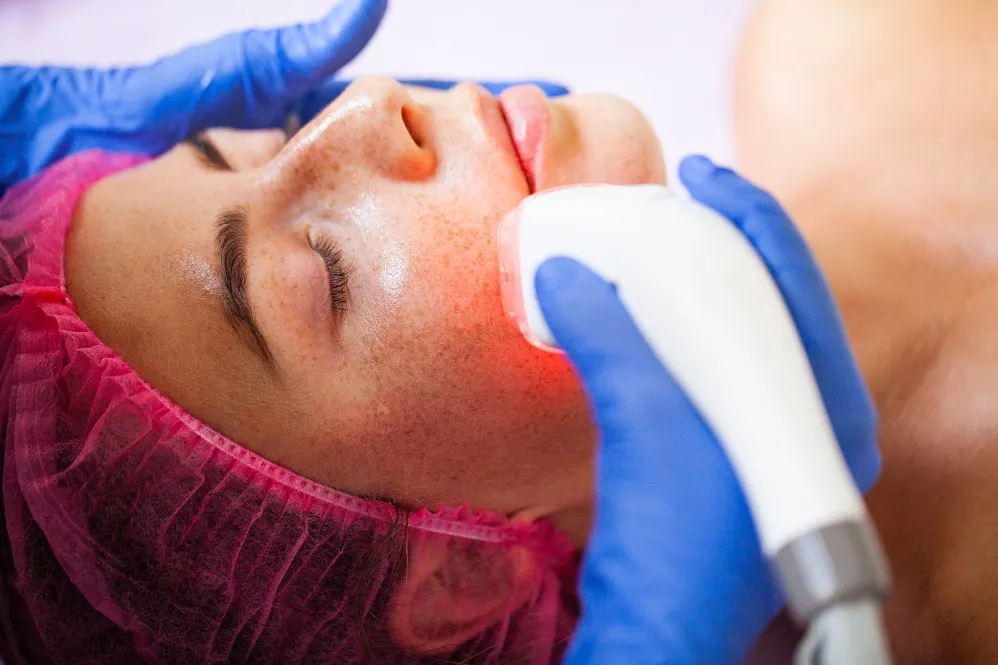
Dark spots are one of the most common skin concerns affecting people of all ages. They may appear after acne, prolonged sun exposure, hormonal changes, skin injuries, or inflammation. While these marks are usually harmless, they can make the skin look uneven and affect a person's confidence. With numerous creams, serums, and cosmetic procedures available today, choosing the right treatment can often feel confusing.
If you are searching for the best dark spot reduction treatment specialist in Kalas, it is important to understand that successful treatment begins with identifying the underlying cause of pigmentation rather than simply trying products that promise instant results.
Why Do Dark Spots Develop?
Dark spots develop when certain areas of the skin produce excess melanin, the pigment responsible for skin colour. Various internal and external factors can stimulate this process, resulting in patches or spots that differ from the surrounding skin.
Some of the most common causes include:
- Acne and acne scars
- Sun damage
- Hormonal changes
- Melasma
- Ageing
- Skin inflammation
- Frequent skin irritation
- Certain medications
Although two people may appear to have similar pigmentation, the underlying cause can be completely different. This is why professional diagnosis plays a crucial role in selecting the right treatment.
Why Isn't One Treatment Suitable for Everyone?
One of the biggest misconceptions about pigmentation is that a single cream or procedure works for everyone.
Several factors influence treatment selection, including:
- Skin type
- Depth of pigmentation
- Duration of the condition
- Medical history
- Sun exposure
- Previous treatments
- Lifestyle habits
For example, superficial pigmentation may respond well to topical medications and chemical peels, while deeper pigmentation often requires a combination of treatments and longer follow-up care.
A personalized treatment plan is generally more effective than choosing treatments based solely on advertisements or social media recommendations.
What Should You Expect During the Consultation?
A consultation is much more than a brief examination of the affected area. An experienced specialist takes time to understand your skin before recommending any procedure.
The assessment may include:
- Detailed skin examination
- Medical history
- Current skincare routine
- Previous pigmentation treatments
- Daily sun exposure
- Hormonal history
- Lifestyle factors
- Individual treatment goals
This comprehensive evaluation helps identify the root cause of pigmentation and supports the development of a customised treatment plan.
What Treatment Options May Be Recommended?
The most suitable treatment depends on the diagnosis rather than the appearance of the dark spots alone.
Depending on the individual's condition, a specialist may recommend:
- Medical-grade topical treatments
- Chemical peels
- Laser pigmentation treatment
- Skin rejuvenation procedures
- Sun protection protocols
- Combination therapies
- Maintenance skincare
In many cases, combining treatments with proper home care provides better long-term improvement than relying on a single procedure.
Questions You Should Ask Before Starting Treatment
Being well-informed helps you set realistic expectations and participate actively in your treatment journey.
Useful questions include:
- What is causing my pigmentation?
- Is the pigmentation superficial or deep?
- Which treatment is most appropriate for my skin?
- How many sessions may be required?
- How long will improvement take?
- What precautions should I follow during treatment?
- How can I prevent pigmentation from returning?
Understanding these aspects helps ensure that treatment decisions are based on knowledge rather than assumptions.
How Important Is Sun Protection?
Sun protection is one of the most important parts of pigmentation management.
Even the most advanced treatment may produce limited results if the skin continues to receive excessive ultraviolet exposure without protection.
Dermatologists usually recommend:
- Applying broad-spectrum sunscreen every day
- Wearing protective clothing outdoors
- Limiting prolonged sun exposure during peak hours
- Reapplying sunscreen when necessary
These habits help minimise further pigmentation while supporting treatment outcomes.
How Can You Maintain Clearer Skin?
After treatment, maintaining healthy skin requires consistency.
Simple habits that contribute to long-term skin health include:
- Following the prescribed skincare routine
- Avoiding harsh cosmetic products
- Keeping the skin moisturised
- Eating a balanced diet
- Staying hydrated
- Scheduling follow-up reviews when advised
These measures help protect the skin and reduce the likelihood of recurring pigmentation.
Why Professional Guidance Makes a Difference
Dark spots often develop gradually, and treating them successfully requires more than selecting the latest cosmetic product. Understanding the cause, choosing evidence-based treatments, and following a personalized skincare plan provide a more reliable path towards healthier, more even-toned skin.
For people living in Kalas, consulting an experienced specialist can help identify the most appropriate approach based on their individual skin condition. Dr. Megha Kadam carefully evaluates each patient's pigmentation pattern, skin type, medical history, and lifestyle before recommending personalized dark spot reduction treatments. This patient-focused approach supports gradual, natural-looking improvement while helping patients maintain healthier skin through scientifically guided and customised care.
Keywords