Fine lines can come from muscle movement, sun exposure, collagen loss, volume changes, or several causes at once. Understanding which mechanism is responsible helps you compare botulinum toxin with fillers, retinoids, resurfacing procedures, and skin-tightening options, then set realistic expectations for treatment and maintenance.
Key takeaways
- Botulinum toxin works best on forehead, frown, and crow’s-foot expression lines.
- It relaxes targeted muscles but cannot restore lost volume or remove surface texture.
- Discuss medicines, medical conditions, goals, and realistic results during consultation.
- Choose skin resurfacing or other care when static wrinkles dominate at rest.
Which facial lines are most likely to respond to anti-wrinkle treatment?
Dynamic lines appear when facial muscles contract and soften when your face relaxes. Static wrinkles remain visible at rest because ultraviolet exposure breaks down collagen, skin loses elasticity, and repeated folding gradually etches creases into the surface. Botulinum toxin is most predictable when repeated muscle contraction is the main cause.
| Area | Why it needs separate assessment | Likely response |
|---|---|---|
| Forehead lines | Frontalis muscle movement creates horizontal lines; excessive weakening can lower the brows | Often responds when movement is dominant |
| Frown lines or glabellar lines | Corrugator and procerus muscles pull the brows together | Often responds well to targeted treatment |
| Crow’s feet | Squinting activates muscles around the outer eyes, where skin is thin | Often softens, but treatment must protect natural eye expression |
A resting crease may persist after muscle activity decreases. Rough texture, pigmentation, laxity, and volume loss also lie outside botulinum toxin’s main action; they may require sunscreen, retinoids, resurfacing, collagen-remodelling treatment, tightening procedures, fillers, or a combination approach.
Repeated folding can deepen a line even after movement is reduced, while collagen loss and sun damage make the skin less able to spring back. A clinician should therefore examine each area both at rest and during movement rather than treat every wrinkle as a Botox concern.
How botulinum toxin works—and what it cannot correct
Botulinum toxin temporarily reduces activity in selected facial muscles; it does not fill a crease or tighten all facial skin. This botulinum toxin mechanism suits movement-related forehead lines, frown lines and crow’s feet. When the dose and injection pattern suit your anatomy, lines soften while useful facial expression remains.
Too much product or incorrect placement can cause drooping, asymmetry or a stiff appearance.
Hyaluronic-acid dermal fillers take a different route: they restore volume or support contours but do not stop muscle contraction. Neither option removes pigmentation or rough, sun-damaged texture.
| Option | Main target | What it cannot do |
|---|---|---|
| Tretinoin for fine lines | Cell turnover, photoageing and collagen support | Replace lost volume or relax muscles |
| Sunscreen | Ultraviolet-driven photoageing and pigmentation | Erase established creases immediately |
| Chemical peels | Surface texture and uneven pigmentation | Correct marked laxity or muscle movement |
| Laser resurfacing | Fine wrinkles, texture and photodamage | Restore every type of lost volume |
| Microneedling | Collagen remodelling and mild texture change | Stop dynamic lines |
| Radiofrequency | Heating tissue to support collagen remodelling and mild laxity | Replace filler volume |
| Ultrasound-based tightening | Deeper heating for selected laxity | Resurface rough skin or relax muscles |
Choose according to the dominant mechanism: muscle activity, volume loss, photoageing, texture, pigmentation, laxity or collagen remodelling. Combining treatments can address several causes, but it also increases cost, recovery and possible adverse effects.
What happens during consultation and treatment?
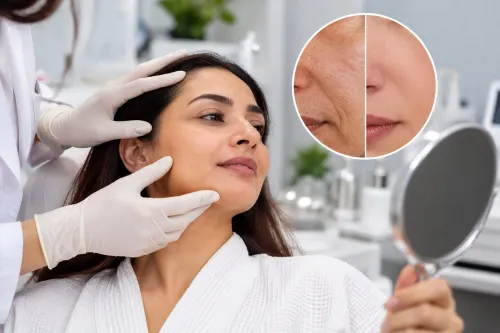
Expect an anti-wrinkle consultation to begin with movement, not a standard dose. The clinician observes your face at rest, then while frowning, raising your eyebrows, smiling, and squinting. This shows which muscles create each line and whether the concern is movement, skin texture, laxity, or volume loss.
The clinician should review:
- Skin quality, your medical history, allergies, previous procedures, pregnancy or breastfeeding status, neuromuscular conditions, and medicines that affect bleeding.
- Your treatment goals and the movement you want to preserve, then mark injection sites through facial mapping.
- The product name, batch number, expiry date, treatment areas, and the clinician’s qualifications.
- The expected movement after treatment, including what will soften and what will remain.
- The emergency plan and whom to contact if you develop an unexpected reaction.
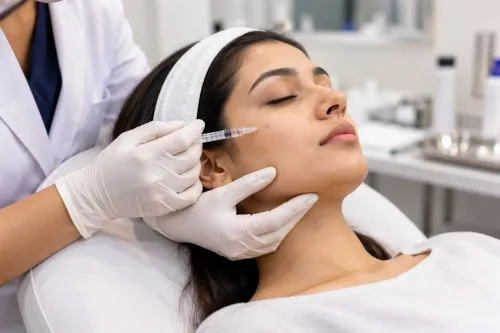
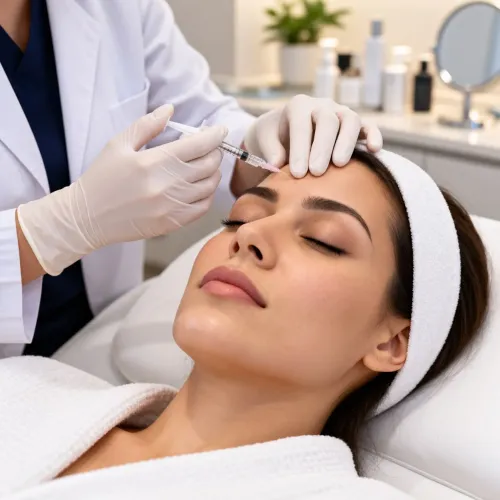
Injections are brief. You may feel a pinch, pressure, or several short stings, followed by small raised spots that settle. Do not copy another person’s dose or injection pattern: muscle strength, anatomy, asymmetry, skin thickness, and desired expression differ.
A consultation can identify a better option, such as skincare or resurfacing for texture, or defer treatment if pregnancy, a medical condition, an interaction, or unclear expectations makes injections unsuitable. Dr Megha Kadam-Best Skin Specialist 08048033401 can use this assessment to match treatment areas and dosing to your facial movement rather than a fixed package.
How to prepare, recover, and judge the result
After anti-wrinkle treatment, do not rub, massage, press, or repeatedly touch the treated areas. Follow your provider’s instructions about strenuous exercise, and ask when makeup, work, air travel, and normal activities can resume. The advice can depend on the areas treated and your medical history. This is the core of anti-wrinkle treatment aftercare.
The effect is not immediate. When Botox results appear, early changes usually develop over several days, while the final assessment waits until the product has settled and muscle movement can be reviewed. Arrange the recommended follow-up appointment rather than judging the result in the mirror the same evening.
1. At follow-up, discuss symmetry, movement, line softening, and any unwanted change in expression. Your clinician may recommend no adjustment, a carefully considered adjustment, or a different approach if the lines are mainly caused by texture, laxity, or volume loss.
2. How long botulinum toxin lasts depends on the person, treatment area, dose, and muscle activity, but the cosmetic effect commonly lasts about three to four months. As muscle activity returns, lines can gradually become more visible.
3. Expect softer lines and preserved expression, not a permanently crease-free face. Repeat treatment is maintenance as movement returns; it does not mean the first treatment failed.
When is anti-wrinkle treatment the wrong first choice?
Botox is the wrong first choice when the main problem is not muscle movement. Established sun damage, pigmentation, rough texture, marked laxity and volume loss need different tools; injecting toxin into a static crease will not resurface, tighten or refill the skin.
Choose among these anti-wrinkle treatment alternatives by matching the mechanism:
| Option | Main benefit | Trade-offs |
|---|---|---|
| Skincare alone and broad-spectrum SPF 30+ | Gradually limits photoageing and supports skin quality | Lowest cost and no downtime; results are slow and require daily consistency |
| Retinoids, including tretinoin | Improves cell turnover, fine lines and uneven texture | Tretinoin can take months; dryness, peeling and irritation are common |
| Peels | Targets superficial texture and pigmentation | Moderate cost and downtime; irritation or pigment changes can occur |
| Microneedling | Stimulates collagen for fine lines and texture | Gradual results, several sessions and short redness; infection risk exists |
| Laser resurfacing | Stronger correction of photodamage, wrinkles and texture | Higher cost and downtime; prolonged redness or post-inflammatory hyperpigmentation can follow |
| Radiofrequency skin treatment | Collagen remodelling with limited downtime | Results build gradually; burns and uneven response are possible |
| Ultrasound skin tightening | Targets deeper laxity | Gradual, variable improvement; discomfort and rare nerve effects are risks |
| Fillers | Replaces lost volume and supports contours | Cost and swelling; severe pain, blanching, mottled skin or visual symptoms demand urgent assessment |
Botulinum toxin itself can cause temporary drooping or asymmetry. A qualified medical provider should identify whether skincare for facial ageing, a procedure, or a combination fits the mechanism rather than sell a fixed package.
Frequently asked questions
Which facial lines respond best to anti-wrinkle treatment?
Dynamic forehead lines, frown lines between the eyebrows, and crow’s feet respond best because muscle contraction drives them.
What can botulinum toxin not correct?
It cannot restore lost facial volume, repair sun-damaged texture, remove deep static wrinkles, or treat every cause of facial ageing.
What happens during an anti-wrinkle treatment consultation?
The clinician assesses your facial movements and lines at rest, reviews your medical history and medicines, discusses goals, and selects injection sites.
How should you prepare for and recover from treatment?
Follow the clinician’s instructions, disclose medicines and previous treatments, avoid rubbing or pressing the treated areas, and judge the result after the recommended review period.
When is anti-wrinkle treatment the wrong first choice?
Consider another approach first when wrinkles remain prominent with relaxed muscles, or when volume loss, pigmentation, scars, or skin laxity is the main concern.