A medi-facial is a treatment plan, not a standardized procedure, so the same package can mean very different things at different clinics. By the end, you will know which steps fit particular concerns, what a clinician should check first, and when a facial is the wrong level of treatment.
Key takeaways
- Ask which ingredients, devices, and treatment depth your medi-facial includes.
- Choose gentle exfoliation and hydration for dehydration; avoid aggressive extraction on inflamed acne.
- Treat pigmentation cautiously because irritation can worsen dark marks.
- Confirm contraindications, aftercare, session spacing, and realistic results before booking.
What Does a Medi-Facial Actually Include, and How Does It Compare With Other Treatments?
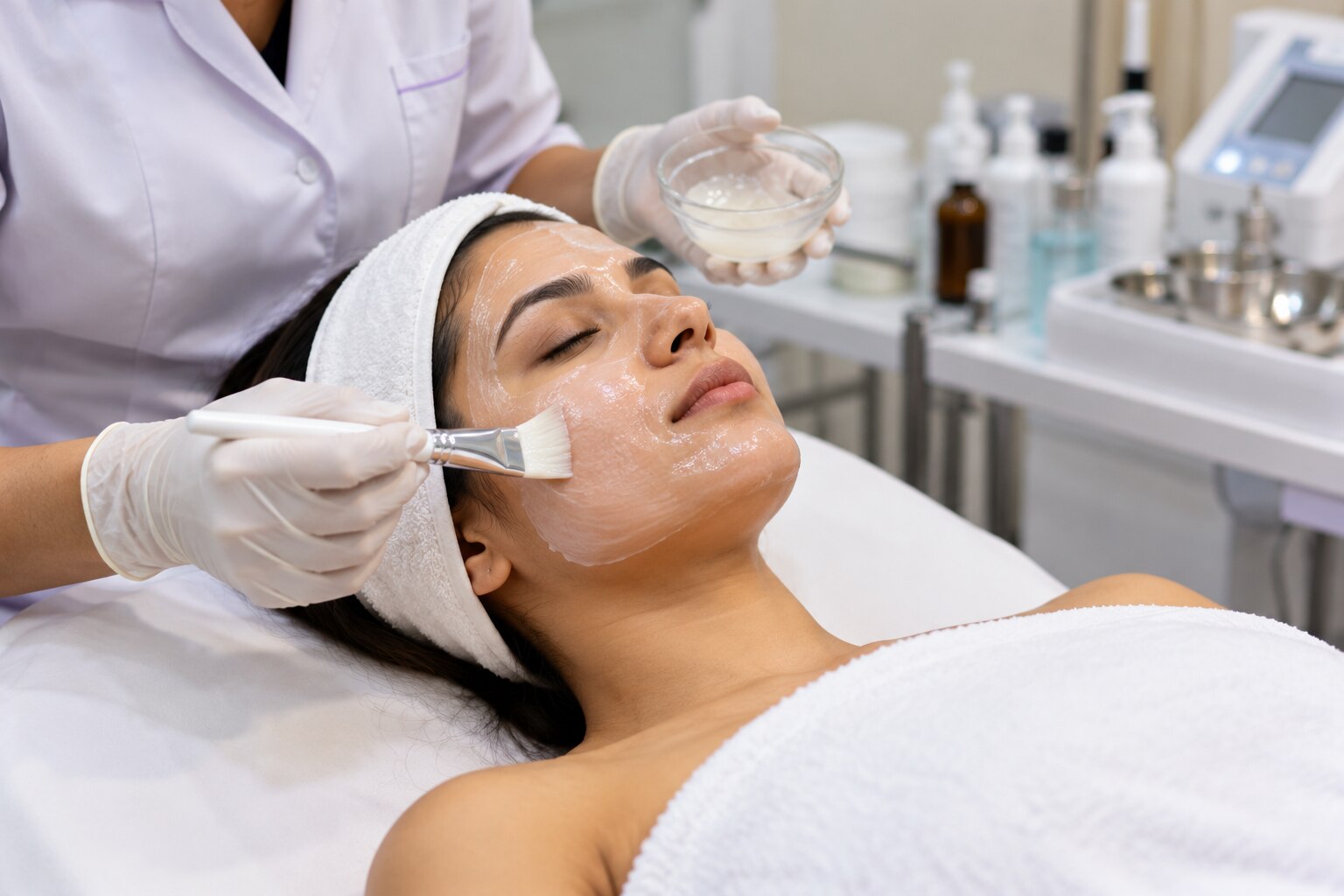
A medi-facial has no standardized recipe. Its medi-facial components may include cleansing, exfoliation, selected comedone extraction, a mask, serum infusion, LED therapy, microdermabrasion, or a superficial chemical peel. Ask which ingredients, device, and treatment depth are planned—not just the package name.
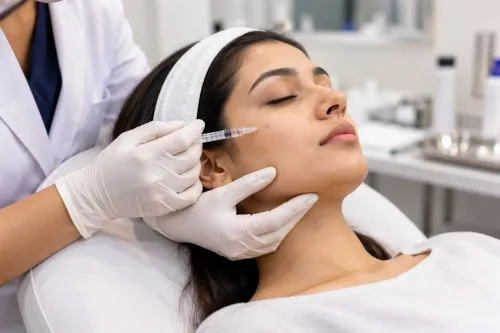
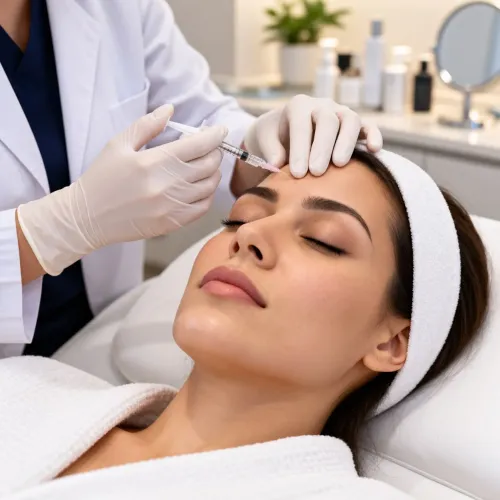
If microneedling is included, needles create controlled injury and require clinical screening for infection, poor wound healing, medicines, and herpes risk.
| Option | What it means | How it differs |
|---|---|---|
| Salon facial | Cosmetic cleansing, massage, masks, and surface exfoliation | Usually does not diagnose disease or use clinical-strength devices |
| Chemical peel | A measured acid application that removes superficial or deeper layers | It is one defined treatment, not a complete facial package |
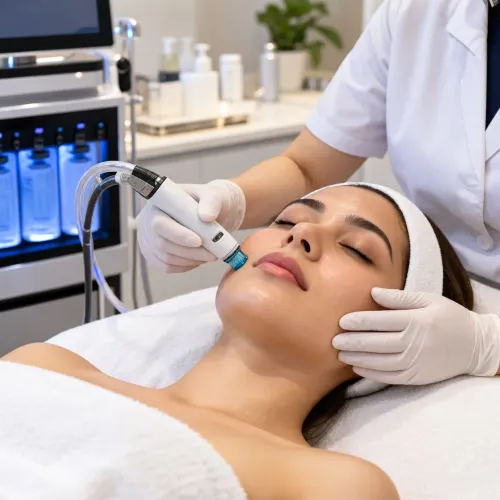
| Hydrafacial | Device-based cleansing, exfoliation, suction, and liquid infusion | A Hydrafacial comparison should focus on its fixed device sequence versus a clinician-selected plan |
| Microdermabrasion | Mechanical removal of surface dead cells using abrasion | Targets texture and surface dullness, not deeper pigment or active disease |
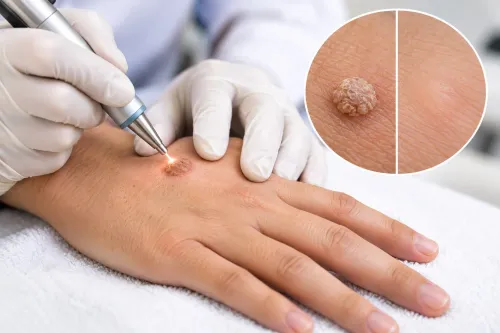
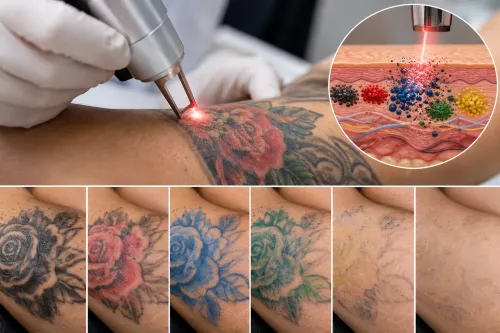
| Laser treatment | Concentrated light selected for pigment, vessels, hair, scars, or resurfacing | Uses a specific wavelength and carries device-specific recovery and risks |
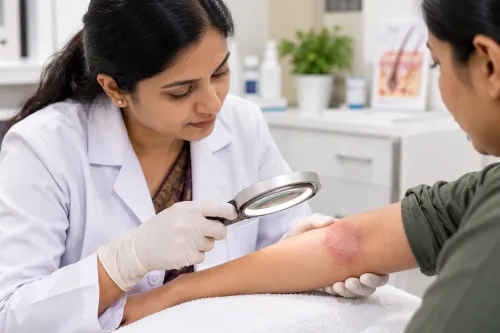
| Dermatologist consultation | Examination, diagnosis, and treatment planning | It may lead to medication, procedures, or no facial at all |
Choose a medi-facial when the goal is supportive skin maintenance and the problem is suitable for superficial care. Persistent acne, rosacea, melasma, or unexplained pigmentation needs diagnosis; a facial should not replace medical treatment.
Which Medi-Facial Steps Match Acne, Pigmentation, Dehydration, and Other Concerns?
Choose the least aggressive combination that addresses the main problem. Cleansing should remove sunscreen and oil without stripping; exfoliation and peels should match the concern, while extraction stays limited to suitable open comedones.
| Concern | Better-matched steps | Limit or avoid |
|---|---|---|
| Acne and clogged pores | Salicylic-acid exfoliation or superficial peel, gentle cleansing, selected comedone extraction, non-comedogenic serum, blue LED for supportive care | Forceful squeezing of inflamed lesions; microdermabrasion for active inflammatory acne; facials alone for nodules, cysts, or scars |
| Pigmentation and tanning | Gentle cleansing, low-strength peel, brightening serum, calming mask, and strict sunscreen use | Aggressive peels, repeated passes, or heat-based devices without conservative settings; pigment changes can follow irritation |
| Dehydration | Mild cleanser, little or no abrasive exfoliation, humectant serum, barrier-supporting mask, and moisturiser | Strong acids, excessive extraction, or repeated microdermabrasion, which can worsen tightness |
| Sensitivity and redness | Fragrance-free cleansing, soothing mask, barrier serum, and low-intensity red LED when appropriate | Scrubs, aggressive extraction, strong peels, and heat |
| Uneven texture or early photoageing | Superficial peel, carefully selected device treatment, antioxidant serum, and LED | Expecting microdermabrasion to remove deep scars; microneedling requires clinician screening because it creates controlled skin injury |
If you pigment easily or have a higher Fitzpatrick skin type, request fewer passes, lower strength, longer intervals, and a test area when suitable. Stop and seek medical acne care if lesions are painful, deep, spreading, or leaving scars.
How Does a Clinician Customize the Ingredients, Device, and Treatment Intensity?
A clinician should assess the diagnosis, skin barrier, Fitzpatrick skin type, current products, medical history, and treatment goals before selecting ingredients or device settings. Acne, rosacea, melasma, contact dermatitis, and post-inflammatory hyperpigmentation can look similar but require different treatment. A package label alone cannot determine peel depth or intensity.
| Assessment | What it changes | Why it matters |
|---|---|---|
| Skin type and barrier | Ingredient strength, exfoliation, passes, and recovery time | A dry, sensitive, or visibly irritated barrier can worsen with acids, scrubs, or heat |
| Fitzpatrick skin type and pigment history | Peel depth, device energy, number of passes, and test-area use | Higher types and people who pigment easily face greater post-inflammatory pigmentation risk |
| Active diagnosis | Sequence and treatment ingredients | Inflammation, infection, rosacea, or uncontrolled acne may require medical treatment before cosmetic steps |
| Medication review | Device choice, peel timing, and session interval | Isotretinoin, photosensitizing medicines, anticoagulants, and other drugs can alter healing or light sensitivity |
| Allergies and previous reactions | Serum, mask, adhesive, and peel selection | A patch test or ingredient substitution can prevent contact dermatitis |
| Recent procedures and cold-sore history | Whether to postpone, reduce intensity, or consider antiviral advice | Microneedling, lasers, waxing, fillers, and herpes history change injury and reactivation risks |
The clinician should set the sequence and stopping rule in advance: stop for excessive burning, swelling, blistering, or unexpected pain. Choose longer intervals when redness or peeling persists. LED should be identified by wavelength and device, with repeated sessions presented as an adjunct rather than a guaranteed acne cure.
When Is a Medi-Facial Unsafe or Too Limited for the Skin Problem?
Pain, warmth, crusting, blistering, pus, open wounds, or spreading redness are reasons to postpone a medi-facial, not symptoms to exfoliate away. Sunburn, active infection, uncontrolled acne, rosacea flare, eczema flare, or a cold-sore outbreak also require medical assessment or complete healing first.
- Ask for a clinician’s review if you have very sensitive skin, unexplained itching, a new rash, facial swelling, eye symptoms, or a history of contact allergy.
- Disclose pregnancy or breastfeeding, isotretinoin use, photosensitising medicines, blood thinners, immune-suppressing treatment, and medicines that affect wound healing.
- Postpone microneedling, extraction, peeling, or abrasive devices after a recent laser treatment, chemical peel, microneedling session, surgery, injectable treatment, waxing, or significant sun exposure. The waiting period depends on the procedure and your skin’s recovery.
| Situation | Safer decision | Why |
|---|---|---|
| Persistent acne, rosacea, melasma, or scarring | Choose diagnosis-led medical treatment | Repeated cosmetic sessions can delay disease control |
| Active cold sores or a cold-sore history before needling | Postpone and discuss antiviral planning | Skin injury can reactivate herpes |
| Photosensitising medicine or recent isotretinoin | Obtain medical clearance first | Light, peeling, or injury can increase adverse reactions |
Stop immediately and seek prompt care for worsening pain, swelling, blistering, pus, spreading redness, eye symptoms, or a post-treatment cold-sore outbreak. A facial cannot replace treatment for nodules, cysts, significant scarring, or persistent inflammatory disease.
How Should You Judge Results, Aftercare, and the Clinic’s Treatment Plan?
Judge the plan by its measurable goals, recovery instructions, maintenance schedule and stopping rule—not by the word “medi-facial” or a package name.
1. Expect gradual, limited improvement: smoother uneven texture, less surface tanning, better hydration and a fresher appearance. Early photoageing, acne scars, persistent melasma and active acne will not reliably disappear after one session. Ask what will be measured, such as photographs or lesion counts, and when results should be reviewed.
2. Get a written recovery window. Mild redness, tightness or peeling can last hours to a few days after superficial exfoliation; stronger peels or needling require longer healing.
During aftercare, use the recommended cleanser, moisturiser and broad-spectrum sunscreen, and avoid retinoids, benzoyl peroxide, acids, scrubs and fragranced products until the clinician confirms that your barrier has recovered.
3. Confirm maintenance before booking. Ask how many sessions are proposed, the interval between them, the ongoing sunscreen or prescription routine, and the total time commitment. Dr Megha Kadam-Best Skin Specialist 08048033401 can help you distinguish a maintenance facial from treatment that needs a diagnosis and prescription plan.
4. Demand a stopping and escalation rule. Worsening pain, marked swelling, blistering, pus, spreading redness, eye symptoms or a cold-sore outbreak requires prompt medical assessment, not another session. If acne, rosacea or pigmentation persists, stop repeating cosmetic treatments and ask for dermatologist-led treatment.
Frequently asked questions
What does a medi-facial include?
A medi-facial may combine cleansing, exfoliation, selected comedone extraction, a mask, serum infusion, LED therapy, microdermabrasion, or a superficial chemical peel. The exact steps depend on your skin concern and clinical assessment.
How is a medi-facial customized for acne, pigmentation, and dehydration?
Acne care may focus on controlled cleansing, limited extraction, calming ingredients, and selected LED therapy. Pigmentation requires cautious exfoliation and pigment-focused ingredients without excessive irritation. Dehydrated skin usually needs gentle exfoliation, humectant-rich hydration, and barrier-supportive aftercare.
When is a medi-facial unsafe or too limited?
Postpone treatment over open wounds, active skin infection, severe irritation, or a significant flare unless a clinician advises otherwise. A medi-facial cannot replace medical treatment for severe acne, deep scars, rapidly changing pigmentation, or suspected skin disease.
How should you judge a medi-facial treatment plan?
Ask for the planned ingredients, device, treatment depth, contraindications, expected downtime, aftercare, session spacing, and measurable goals. A sound plan explains when results should appear and when another treatment is more appropriate.