Oil, cosmetic residue, dead surface cells and dehydration can make skin feel rough or congested, but a treatment that improves the surface is not the same as one that treats an underlying skin disease. You will learn how the procedure works, what it feels like, which results are realistic and when another treatment is the safer choice.
Key takeaways
- Hydrafacial combines cleansing, exfoliation, extraction and serum infusion in one session.
- Most people feel suction and liquid movement, not sharp pain; downtime is usually minimal.
- Expect temporary brightness and smoother texture, not permanent treatment of acne scars or deep wrinkles.
- Postpone treatment after sunburn, active irritation, open wounds or recent aggressive procedures.
What happens during the cleanse, exfoliate, extract and hydrate sequence?
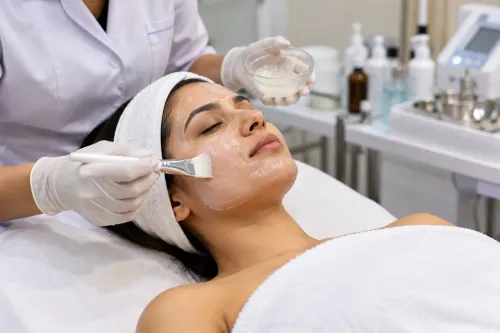
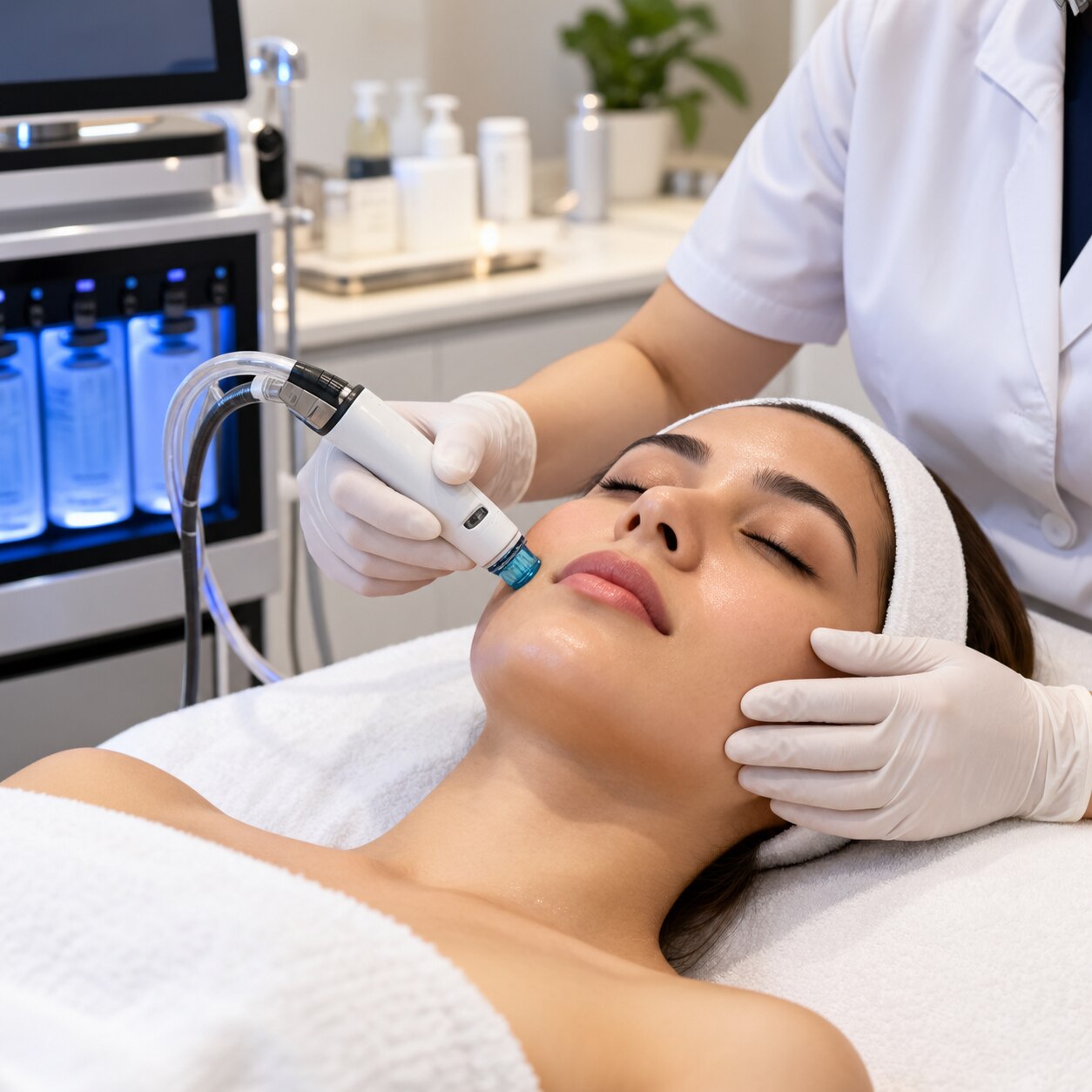
A Hydrafacial uses a handheld device to move liquid across the skin while its disposable tip loosens surface debris, lifts impurities and delivers a serum. The cleanse, exfoliate, extract and hydrate sequence is one continuous treatment, not four separate medical procedures.
1. Cleansing removes makeup, sunscreen, oil and loose debris from the surface. The practitioner may apply a gentle cleansing solution and pass the device over the face to prepare the skin for the next step.
2. Exfoliation uses a fluid solution and a specialised tip to exfoliate dead skin cells. This is a superficial step: it smooths the outer layer without needles or deep abrasion. The solution used depends on the treatment plan and your skin’s tolerance.
3. Extraction uses vacuum-assisted suction to draw loosened oil and debris from pores. The device works across the skin rather than squeezing individual spots by hand, so it does not replace medical acne treatment or remove every deep blockage.
4. Hydration follows immediately. The device infuses a topical solution containing moisturising ingredients and other selected serums, helping hydrate skin after cleansing and exfoliation.
You may notice a cool liquid, light pulling and mild pressure as the tip moves. The process should not involve injections, deliberate bleeding or incisions, although stronger suction can leave temporary redness or pinpoint bruising, especially on fragile skin.
What does each stage feel like, and is there pain or downtime?
Expect a wet, moving tip rather than needles or injections. This non-invasive facial usually feels like light polishing, cool liquid flowing across the skin and gentle suction. It should not cause bleeding; tell the practitioner if the suction or tingling feels painful.
- During cleansing and exfoliation, the handpiece glides over your face with mild friction and a fluid sensation. Sensitive areas around the nose may feel more intense.
- During vacuum extraction, rhythmic suction lifts superficial sebum and comedonal debris. You may feel brief pulling, but extraction should not resemble forceful squeezing. Strong suction can leave temporary redness or small circular marks.
- During serum infusion, the treatment feels cool, wet or slightly tingly as hydrating products spread over the skin. Peels or active ingredients can create more tingling than the device itself.
Hydrafacial treatment steps do not require needles, anaesthesia or stitches, and most appointments involve no significant pain. The amount collected in the waste container does not prove how effective the treatment was; it can include cleanser, oil, cosmetic residue and shed skin cells.
Hydrafacial downtime is usually short. For a few hours, you may notice pinkness, tightness, mild sensitivity or a polished, dewy appearance. Avoid rubbing your face, intense heat, strenuous exercise and strong exfoliants that day, and apply broad-spectrum sunscreen. Darker skin can develop post-inflammatory pigmentation after irritation, so report persistent burning, swelling or darkening promptly.
What results can Hydrafacial realistically deliver?
Hydrafacial results are usually visible as cleaner-looking pores, smoother rough skin texture and a fresher surface, with improved hydration for dehydrated skin. These are cosmetic changes, not proof that acne, rosacea, melasma, psoriasis or an infection has been treated.
| Concern | What may improve | What needs a different or repeated plan |
|---|---|---|
| Clogged pores | Superficial sebum and comedonal debris can look reduced after vacuum extraction. | Pores do not permanently shrink; an acne routine is needed to prevent recurrence. |
| Rough skin texture | Superficial exfoliation can make the skin feel smoother and look more polished. | Persistent bumps, scarring or thickened skin require diagnosis and targeted treatment. |
| Dehydrated skin | Topical hydrating solutions can temporarily improve softness, comfort and surface plumpness. | Ongoing dryness requires regular moisturiser use and treatment of conditions such as eczema. |
| Fine lines and dullness | Hydration and smoothing can soften their immediate appearance. | Durable wrinkle reduction and major collagen remodelling are not established outcomes. |
| Pigmentation | A brighter appearance may follow removal of surface buildup. | Melasma and stubborn dark marks need pigment-focused care; irritation can trigger post-inflammatory hyperpigmentation. |
Expect benefits to fade as oil, dead cells and dehydration return. Repeated sessions can maintain a smoother appearance, but published evidence for lasting acne, wrinkle or pigment improvement remains limited, with studies often small and focused on short-term cosmetic changes. Active or moderate-to-severe acne needs medical treatment rather than extraction alone.
How does Hydrafacial compare with peels, facials and other treatments?
Choose a Hydrafacial when you want a short-term surface refresh with cleansing, light exfoliation, vacuum-assisted removal of superficial debris and serum application, without needles or significant downtime. It suits dullness, mild congestion and dehydration better than conditions requiring medical treatment.
| Option | How it differs | When it applies |
|---|---|---|
| Hydrafacial vs facial | Uses controlled device suction and fluid infusion; a conventional facial relies more on hand cleansing, massage, steam and masks. | Choose Hydrafacial for measurable exfoliation and superficial extraction; choose a facial for relaxation and simple cleansing. |
| Hydrafacial vs chemical peel | A peel uses an acid solution to create a controlled chemical exfoliation, with strength-dependent irritation and pigment risk. | Choose Hydrafacial for gentler maintenance; choose a peel for a clinician-selected pigment, acne or texture plan. |
| Microdermabrasion | Abrasive crystals or a diamond tip remove surface cells without the same liquid cleansing and infusion sequence. | Choose it for mechanical resurfacing when a provider confirms your skin can tolerate abrasion. |
| Dermaplaning | A blade removes surface cells and fine vellus hair. | Choose it when hair removal is the main goal, not pore cleansing. |
| Acne extraction | Focuses on manually removing selected comedones. | Choose it for targeted lesions; Hydrafacial does not treat moderate or severe acne. |
| Moisturising treatment | Adds hydration but does not provide comparable exfoliation or extraction. | Choose it for dry, sensitive skin needing minimal stimulation. |
A Hydrafacial will not permanently shrink pores or treat rosacea, melasma, psoriasis or infection. Darker skin can undergo superficial treatment, but aggressive settings or active inflammation can trigger post-inflammatory hyperpigmentation.
Who should postpone Hydrafacial, and how should you choose a clinic?
Postpone treatment over active inflammation, open wounds, sunburn, herpes, or another infection in the treatment area. Ask a clinician to assess uncontrolled rosacea or eczema before booking: suction, exfoliation and active solutions can intensify irritation. Hydrafacial suitability also depends on your medicines; disclose anticoagulants, antiplatelet drugs, prescription retinoids, allergies and recent procedures.
- Reschedule until broken skin, infection, sunburn or a flare has settled.
- Do not use the appointment to treat moderate-to-severe acne, rosacea, melasma, psoriasis or infection; those conditions need a medical plan.
- Ask which products to pause before treatment. Do not stop prescribed medicines without the prescriber’s advice.
- Request gentler suction and exfoliation if your skin bruises easily or reacts to cosmetics.
Compare the clinic’s answers against these practical checks:
| Checkpoint | Good practice | Warning sign |
|---|---|---|
| Skin assessment | Reviews your diagnosis, medicines, allergies and current products before choosing settings | Promises the same intensity for every face |
| Reusable equipment | Explains cleaning and disinfection between patients | Says a disposable tip alone makes treatment infection-proof |
| Patient-contact parts | Uses a new tip or a properly sterilized component for each patient | Reuses a component without explaining processing |
| Results and aftercare | Sets expectations about temporary redness, tightness or stinging and gives written aftercare | Uses waste-container debris as proof that pores were “cleansed” |
A consultation with Dr Megha Kadam-Best Skin Specialist 08048033401 should include this suitability screening, not just a treatment slot. Good eczema care and rosacea management come before cosmetic exfoliation.
Frequently asked questions
What happens during a Hydrafacial cleanse, exfoliate, extract and hydrate sequence?
A disposable device tip moves cleansing and exfoliating solutions across the skin, loosens surface debris, uses gentle suction to collect oil and impurities, then applies a hydrating serum. The four stages run as one continuous treatment.
Does a Hydrafacial hurt, and is there downtime?
You will usually feel liquid, light suction and the device moving across your skin rather than sharp pain. Mild redness or tightness can occur after treatment, but most people resume routine activities quickly.
What results can Hydrafacial realistically deliver?
Hydrafacial can temporarily improve surface brightness, softness, hydration and the appearance of clogged pores. It does not permanently remove deep acne scars, pronounced wrinkles or every cause of acne.
How does Hydrafacial compare with peels and regular facials?
Hydrafacial combines controlled exfoliation, suction-based extraction and serum delivery. Chemical peels use acids for a selected depth, while regular facials vary by provider and technique. Choose based on your skin concern, sensitivity, downtime tolerance and diagnosis.
Who should postpone Hydrafacial and how do you choose a clinic?
Postpone treatment over sunburn, open wounds, active skin infection or significant irritation, and disclose recent lasers, peels, injectables and prescription retinoid use. Choose a clinic that performs a skin assessment, explains contraindications, uses a sealed disposable tip and provides clear aftercare.