Hair thinning affects people differently. Some notice gradual reduction in hair density, while others experience increased shedding over a short period. Among the newer treatment options available in dermatology, Growth Factor Concentrate (GFC) therapy has attracted attention for selected patients experiencing certain types of hair loss. A GFC Therapy Treatment Specialist evaluates whether this procedure is appropriate after identifying the cause of hair thinning.
Since not every form of hair loss responds to regenerative treatments, a proper diagnosis remains the foundation of successful care.
What Is GFC Therapy?
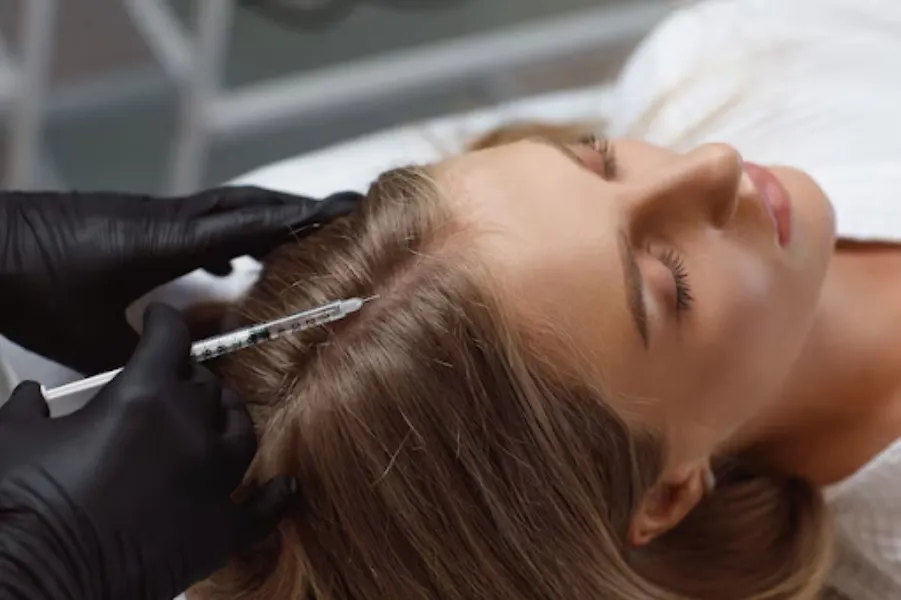
Growth Factor Concentrate therapy uses growth factors obtained from the patient's own blood. These concentrated growth factors are processed and then introduced into the scalp using specialised techniques.
The aim is to support scalp health and encourage healthier hair follicles in suitable candidates.
Who May Be Considered?
Suitability depends on clinical evaluation rather than age alone.
Candidates may include individuals with:
- Early hair thinning
- Pattern hair loss
- Reduced hair density
- Certain non-scarring hair loss conditions
The treatment is generally considered after excluding medical causes that require different management.
Why Assessment Comes First
Hair loss can result from several unrelated conditions.
Before recommending GFC therapy, a dermatologist may evaluate:
- Hair loss pattern
- Scalp condition
- Medical history
- Hormonal factors
- Nutritional status
- Previous treatments
This helps determine whether GFC therapy is likely to be beneficial.
What Patients Should Expect
During consultation, discussions commonly include:
- Expected outcomes
- Number of sessions
- Combination with medical therapy
- Scalp care recommendations
- Follow-up schedule
Understanding realistic expectations is an important part of treatment planning.
Supporting Healthy Hair Growth
Treatment outcomes are influenced by overall scalp care.
Patients are often advised to:
- Follow prescribed medications
- Eat a balanced diet
- Manage stress
- Avoid harsh chemical treatments
- Maintain regular follow-up appointments
Combining healthy habits with professional care supports long-term scalp health.
People in Khadki increasingly explore regenerative dermatology options after noticing progressive hair thinning. A thorough assessment helps determine whether GFC therapy is suitable or whether another treatment approach would be more appropriate.
At Dr. Megha Kadam, hair restoration planning begins with identifying the underlying reason for hair loss before discussing advanced procedures such as GFC therapy. Personalised recommendations are based on clinical findings rather than a standard treatment protocol.
Hair restoration is most effective when treatment is selected according to diagnosis, expectations are realistic, and progress is monitored over time.
Keywords