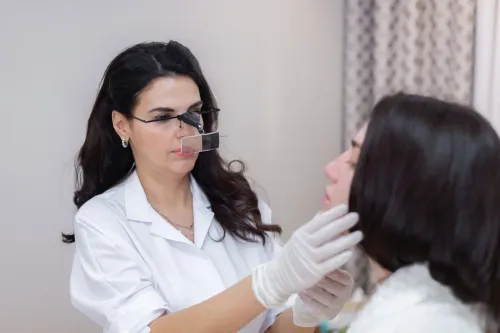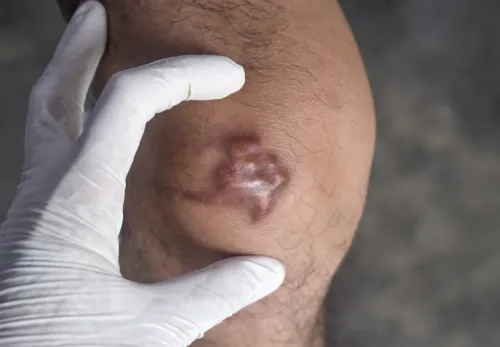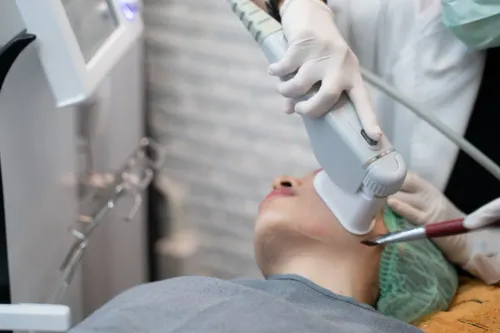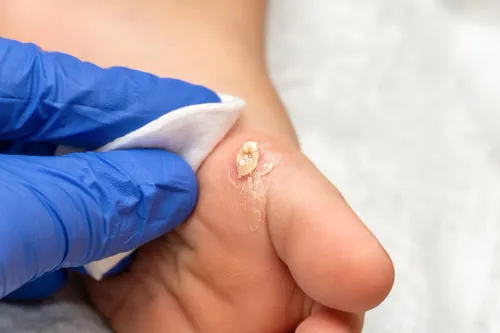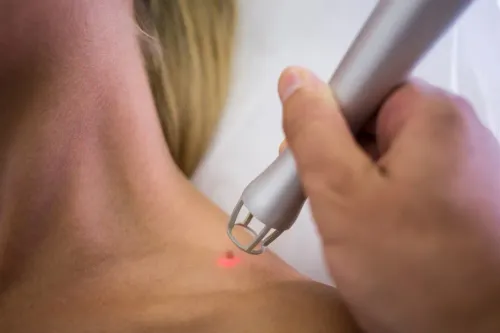
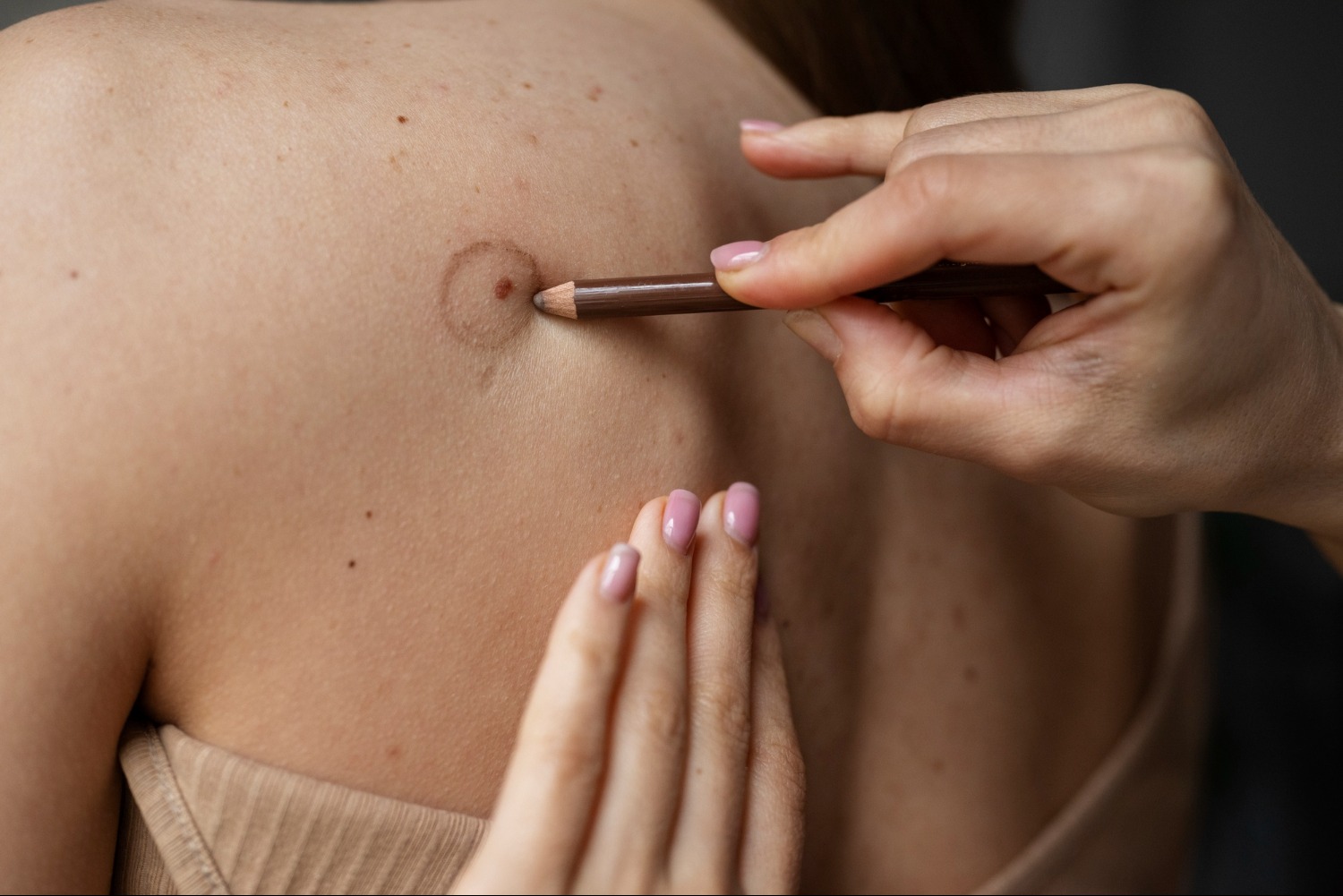
Skin tags are small, soft growths that commonly appear on areas where skin rubs against skin or clothing. Although they are generally harmless, many people choose to have them removed because they become irritated, catch on jewellery, or affect appearance. A Skin Tags Removal Treatment Specialist can confirm that the growth is a skin tag and recommend the most appropriate removal method.
Since several skin conditions may resemble skin tags, professional assessment is important before attempting treatment.
Why Skin Tags Develop
Skin tags often form in areas of repeated friction.
Common locations include:
- Neck
- Underarms
- Eyelids
- Groin
- Under the breasts
They may become more common with age and are also seen in individuals with certain metabolic or genetic factors.
When Should a Skin Tag Be Examined?
Most skin tags do not require treatment.
However, evaluation is advisable if the growth:
- Changes colour
- Bleeds repeatedly
- Causes pain
- Increases rapidly in size
- Frequently gets caught on clothing
These changes should always be assessed before removal.
Why Home Removal Is Not Recommended
Many online methods encourage tying off or cutting skin tags at home.
This may lead to:
- Bleeding
- Infection
- Incomplete removal
- Scarring
- Misdiagnosis of another skin condition
Professional removal is generally safer and more predictable.
Available Removal Methods
Treatment depends on the location and size of the skin tag.
A dermatologist may recommend:
- Radiofrequency removal
- Cryotherapy in selected cases
- Electrocautery
- Minor surgical removal
The procedure is usually selected according to individual clinical findings.
Caring for the Skin After Removal
Following simple aftercare instructions supports smooth healing.
Patients are commonly advised to:
- Keep the area clean
- Avoid scratching
- Protect healing skin from unnecessary friction
- Follow prescribed wound care
- Attend review appointments if required
People living in Vishrantwadi frequently seek removal of skin tags that interfere with shaving, jewellery, or clothing. Professional assessment helps ensure the lesion is correctly identified before treatment is performed.
At Dr. Megha Kadam, every skin growth is carefully evaluated before recommending removal. The clinic focuses on accurate diagnosis, patient safety, and personalised dermatological care using suitable treatment techniques.
Most skin tags are harmless, but understanding when they should be examined and how they can be safely removed helps patients make informed decisions about their skin health.
Keywords