Finding a few strands of hair on your comb or pillow every day is completely normal. However, when hair shedding becomes excessive, the scalp starts becoming visible, or the hairline gradually changes, it may be a sign that something more than routine hair fall is affecting your scalp. Hair loss is not a condition with a single cause, which is why there is no one-size-fits-all treatment.
If you are searching for the best hair fall treatment specialist in PCMC, understanding the different causes of hair loss and how specialists determine the right treatment can help you make informed decisions instead of relying on temporary solutions or internet trends.
Is Hair Fall Always a Cause for Concern?
Hair naturally goes through a cycle of growth, rest, and shedding. Losing around 50 to 100 strands of hair each day is considered part of this normal cycle. Problems arise when new hair does not replace the strands that are lost, leading to thinning, reduced hair density, or visible bald patches.
Ignoring persistent hair fall may delay diagnosis, especially if the underlying cause is linked to nutritional deficiencies, hormonal changes, scalp disorders, or hereditary conditions.
What Are the Most Common Causes of Hair Fall?
Hair loss can occur for several reasons, and identifying the exact cause is the foundation of effective treatment.
Some of the most common causes include:
- Genetic or hereditary hair loss
- Hormonal imbalances
- Thyroid disorders
- Iron, Vitamin D, or Vitamin B12 deficiencies
- Stress and emotional changes
- Poor nutrition
- Scalp infections
- Dandruff and inflammatory scalp conditions
- Polycystic Ovary Syndrome (PCOS)
- Post-pregnancy hormonal changes
- Certain medications
- Frequent chemical treatments or excessive heat styling
Since different conditions require different treatments, self-diagnosis often leads to disappointing results.
What Signs Should You Not Ignore?
Many people seek professional help only after significant hair loss has already occurred. Early evaluation often provides better opportunities to manage the condition.
Consider consulting a specialist if you notice:
- Hair shedding for more than a few weeks
- A widening hair partition
- Increased scalp visibility
- Receding hairline
- Thinning around the crown
- Bald patches
- Excessive hair breakage
- Persistent itching or scaling of the scalp
Prompt assessment can help identify reversible causes before the condition progresses.
How Does a Hair Fall Specialist Identify the Right Treatment?
A successful treatment plan begins with understanding why hair loss has developed rather than simply focusing on the symptoms.
During a consultation, the specialist may assess:
- Pattern and duration of hair loss
- Medical history
- Family history of hair loss
- Lifestyle and stress levels
- Dietary habits
- Current medications
- Hormonal health
- Scalp condition
- Previous hair treatments
In some cases, blood investigations or additional diagnostic tests may be recommended to identify nutritional deficiencies or hormonal disorders contributing to hair fall.
What Treatment Options May Be Recommended?
The most suitable treatment depends entirely on the diagnosis.
Depending on the individual's condition, a specialist may recommend:
- Medical treatment to address the underlying cause
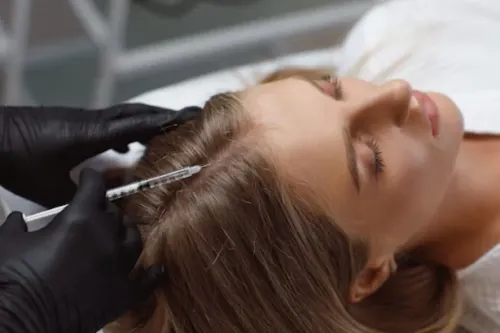
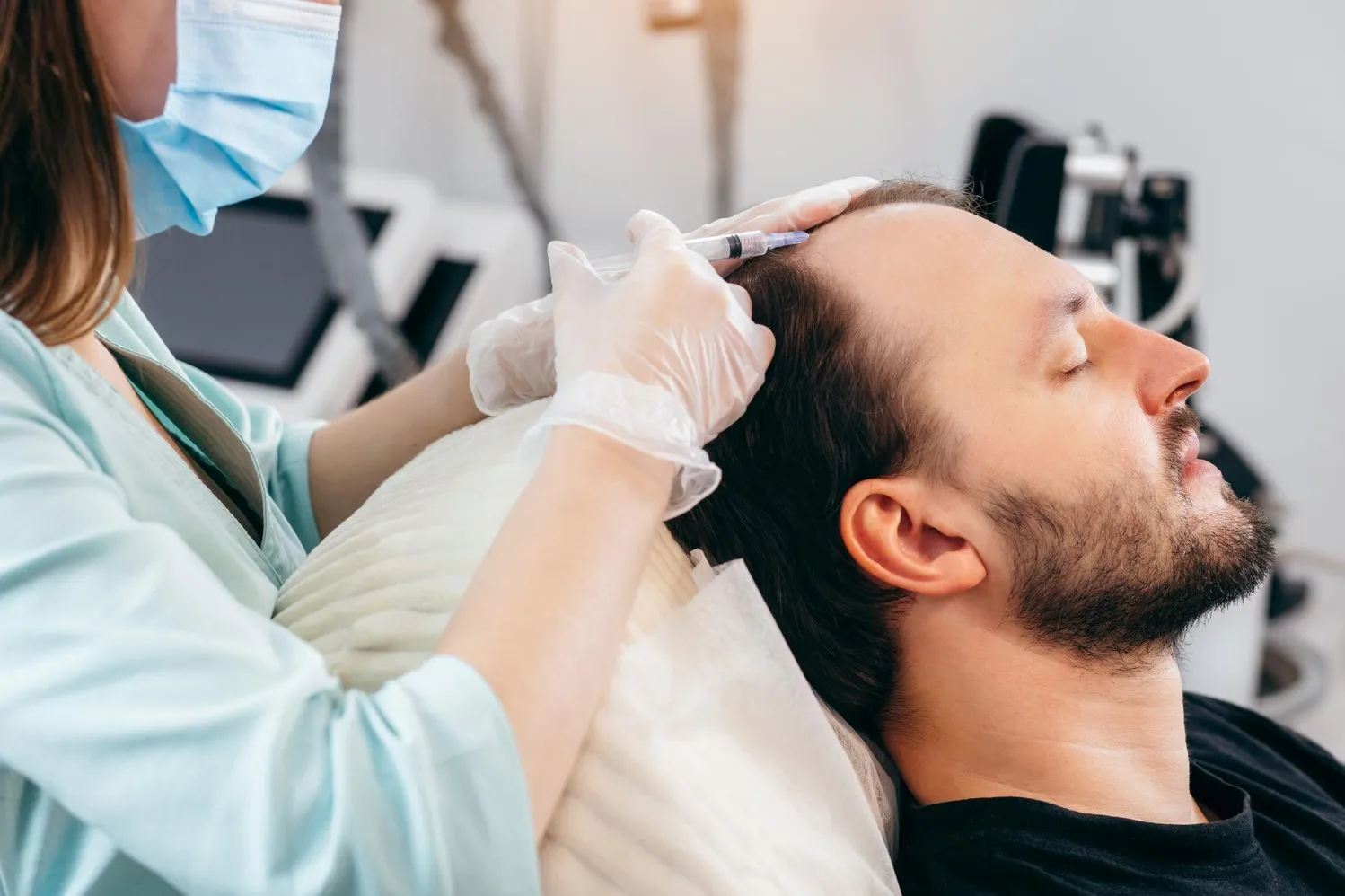
- Hair booster therapy
- PRP (Platelet-Rich Plasma) treatment
- Nutritional supplementation
- Scalp care therapies
- Lifestyle modifications
- Dermatologist-recommended topical medications
- Combination treatment plans
Rather than selecting treatments based on popularity, specialists focus on addressing the root cause to achieve healthier and more sustainable hair growth.
Can Lifestyle Influence Hair Health?
Yes. Everyday habits play an important role in maintaining healthy hair and supporting professional treatments.
Simple measures include:
- Eating a protein-rich diet
- Including iron, zinc, and vitamins in daily nutrition
- Managing stress effectively
- Getting adequate sleep
- Avoiding smoking
- Limiting excessive heat styling
- Using gentle hair care products
- Maintaining a healthy scalp
Although lifestyle improvements alone may not reverse every type of hair loss, they contribute significantly to healthier hair growth.
Why Early Treatment Matters
Hair follicles become progressively weaker in many types of hair loss. Seeking professional advice during the early stages may help preserve existing hair and improve treatment outcomes. Waiting until significant hair density has already been lost may limit the effectiveness of certain non-surgical treatment options.
A professional diagnosis also helps distinguish temporary hair shedding from progressive hair loss, ensuring that treatment is both appropriate and evidence-based.
Choosing the Right Hair Fall Treatment Starts with the Right Diagnosis
Hair fall is not simply a cosmetic concern—it is often a sign that the scalp or body needs attention. Because every individual experiences hair loss differently, the most effective treatment is one that is tailored to the underlying cause rather than chosen based on advertisements or online recommendations.
For individuals in PCMC, consulting an experienced specialist provides a clearer understanding of why hair loss is occurring and which treatment options are most suitable. Dr. Megha Kadam performs a comprehensive scalp and hair assessment before recommending personalized hair fall treatments designed to improve scalp health, strengthen existing hair, and support natural hair growth. This evidence-based approach helps patients receive care that is safe, scientifically guided, and focused on achieving long-term results rather than temporary improvements.
Keywords