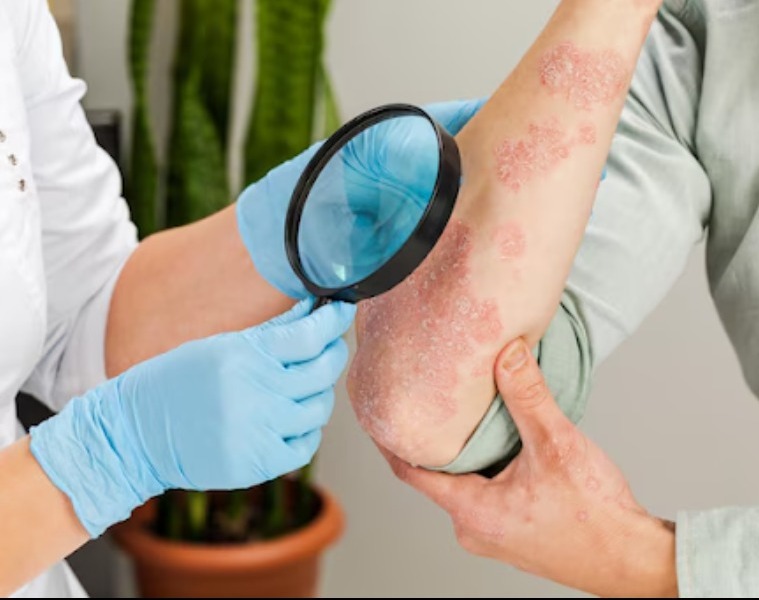
Fungal skin infections are among the most common dermatological conditions affecting people of all ages. They often begin as mild itching or redness but may spread if left untreated. Consulting a Fungal Infection Treatment Specialist helps identify the type of infection and ensures treatment is selected according to the underlying cause.
Since different fungal infections can appear similar to eczema, psoriasis, or bacterial skin conditions, an accurate diagnosis is essential before starting medication.
Common Types of Fungal Skin Infections
Fungal infections may affect different parts of the body.
Examples include:
- Ringworm
- Athlete's foot
- Groin fungal infection
- Nail fungal infection
- Scalp fungal infection
Each condition requires a treatment plan based on its location and severity.
Symptoms That Should Not Be Ignored
Common signs include:
- Persistent itching
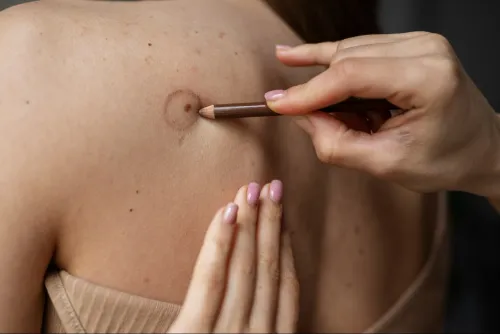
- Circular rashes
- Peeling skin
- Redness
- Cracking between the toes
- Thickened or discoloured nails
If symptoms continue despite using over-the-counter creams, professional evaluation is recommended.
Factors That Increase Risk
Several conditions make fungal infections more likely.
These include:
- Hot and humid weather
- Excessive sweating
- Tight clothing
- Shared gym facilities
- Diabetes
- Reduced immunity
Managing these factors can help reduce recurrence after treatment.
Treatment Depends on the Diagnosis
A dermatologist selects treatment according to the type and extent of infection.
Management may involve:
- Antifungal creams
- Oral medications when appropriate
- Skin hygiene guidance
- Nail care recommendations
- Preventive advice for recurrence
Stopping medication too early may allow the infection to return.
Tips to Prevent Future Infections
Simple habits support healthy skin.
These include:
- Keeping skin dry
- Wearing breathable clothing
- Avoiding sharing towels
- Changing sweaty clothes promptly
- Maintaining good foot hygiene
Preventive care is particularly important for individuals with recurrent fungal infections.
Residents of Dhanori often experience fungal skin infections during warm and humid periods of the year. Timely dermatological assessment helps distinguish fungal conditions from other skin disorders, allowing treatment to begin without unnecessary delay.
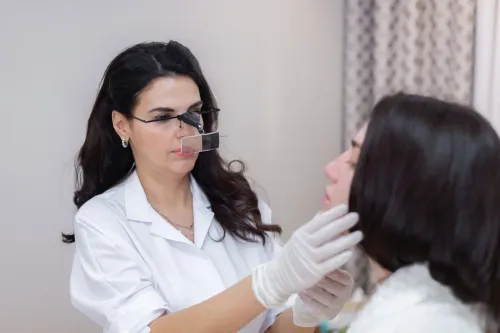
At Dr. Megha Kadam, fungal infections are evaluated through careful clinical examination before recommending appropriate treatment. Individualised care helps patients understand both the cause of the infection and the steps needed to reduce the chance of recurrence.
Early diagnosis, appropriate medication, and consistent skin care remain the key elements of successfully managing most fungal skin infections.
Keywords