Most people have moles somewhere on their body. Some are present from birth, while others develop over time due to genetics, sun exposure, or natural skin changes. Although many moles are harmless, some may become bothersome because of their appearance, location, or repeated irritation. A Mole Removal Treatment Specialist evaluates each mole carefully before deciding whether removal is appropriate.
Not every mole requires treatment. Understanding when professional evaluation is necessary can help people make informed decisions while avoiding unnecessary procedures.
What Exactly Is a Mole?
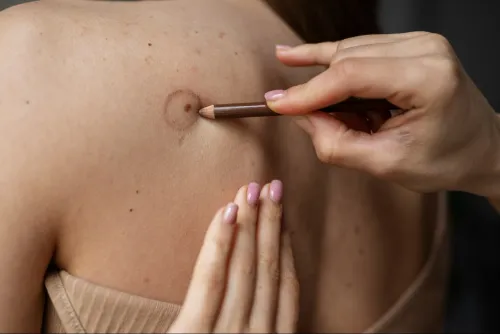
A mole is a collection of pigment-producing cells called melanocytes. They can appear in various colours, sizes, and shapes.
Common characteristics include:
- Brown, black, or skin-coloured appearance
- Flat or raised surface
- Smooth or rough texture
- Single or multiple moles across the body
Most remain stable for many years without causing health concerns.
Reasons People Consider Mole Removal
Treatment is not always performed for medical reasons. Many individuals seek removal because a mole affects comfort or confidence.
Common reasons include:
- Cosmetic concerns
- Repeated shaving injuries
- Irritation from clothing or jewellery
- Frequent bleeding after accidental trauma
- Change in appearance requiring medical assessment
Professional evaluation helps determine the safest management approach.
Warning Signs That Should Not Be Ignored
While most moles are benign, certain changes deserve prompt dermatological assessment.
Watch for:
- Rapid increase in size
- Uneven borders
- Multiple colour changes
- Persistent itching
- Bleeding without injury
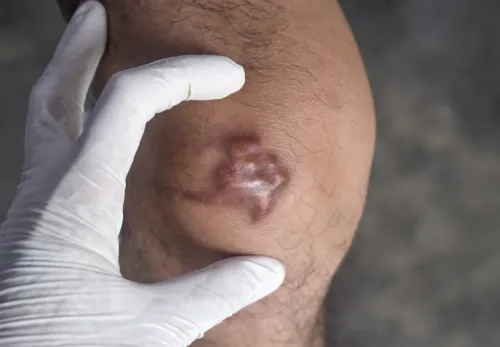
- Non-healing surface changes
These signs do not automatically indicate a serious condition, but they should always be examined by a qualified dermatologist.
How Specialists Assess a Mole
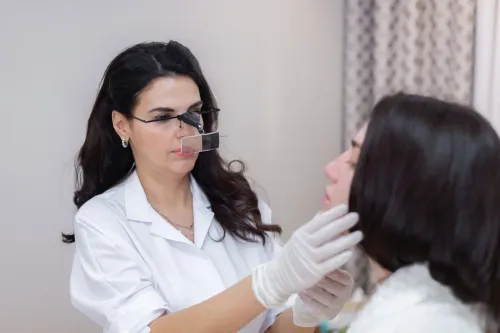
Before recommending removal, a dermatologist usually performs a detailed examination.
The assessment may include:
- Medical history
- Duration of the mole
- Recent changes
- Clinical examination
- Dermoscopic evaluation when appropriate
This helps distinguish harmless lesions from those requiring further investigation.
Available Removal Techniques
Treatment depends on the mole's characteristics, size, and location.
Possible options include:
- Surgical excision
- Shave removal
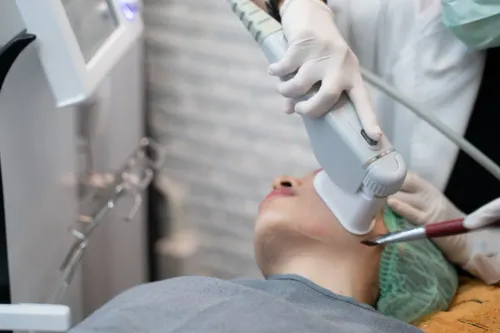
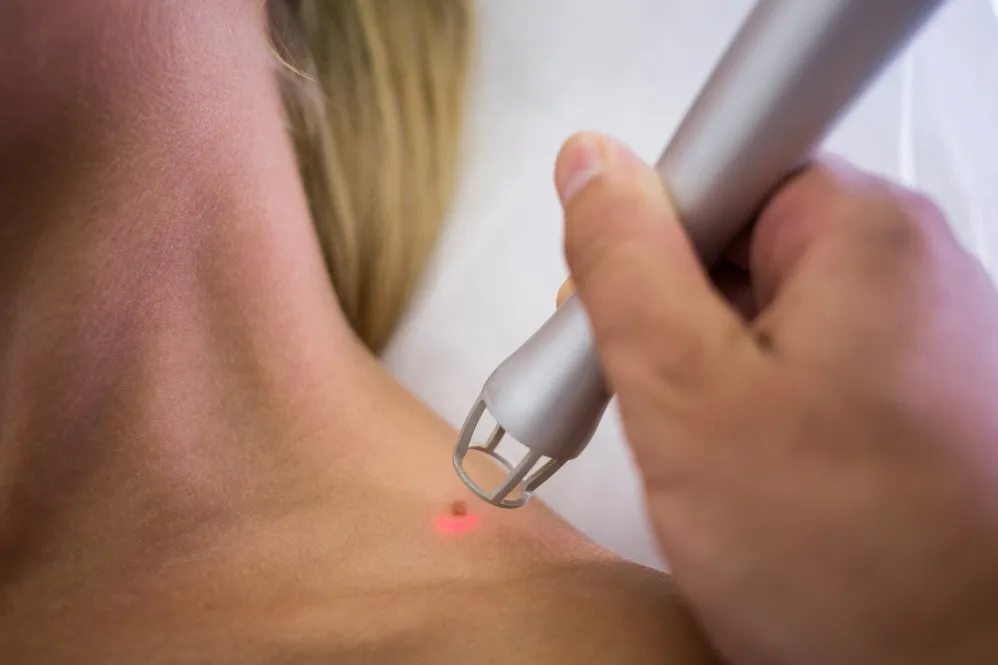
- Radiofrequency procedures in selected cases
- Other dermatological techniques based on clinical findings
The most suitable method varies from one patient to another.
Caring for the Skin After Removal
Proper aftercare supports healing and reduces the chance of visible scarring.
Patients are commonly advised to:
- Keep the area clean
- Follow prescribed wound care instructions
- Avoid unnecessary friction
- Protect healing skin from sunlight
- Attend follow-up appointments if advised
Healing time depends on the treatment method and body location.
People living in Koregaon Park often seek dermatological evaluation for facial or body moles that become irritated, cosmetically concerning, or show visible changes. Early assessment allows appropriate management while avoiding unnecessary procedures.
At Dr. Megha Kadam, every mole is assessed individually before treatment recommendations are made. The clinic focuses on accurate diagnosis, patient safety, and personalised dermatological care rather than routine removal of every skin lesion.
Understanding the nature of a mole before deciding on treatment is an important step toward protecting both skin health and cosmetic outcomes.
Keywords