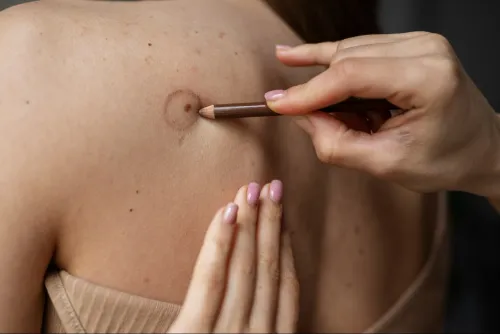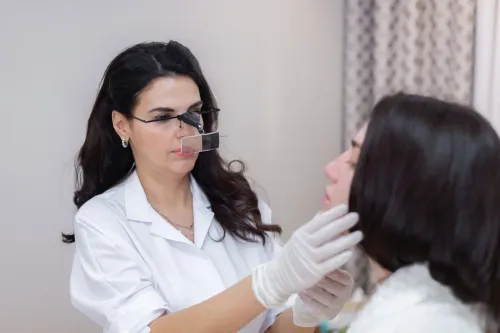
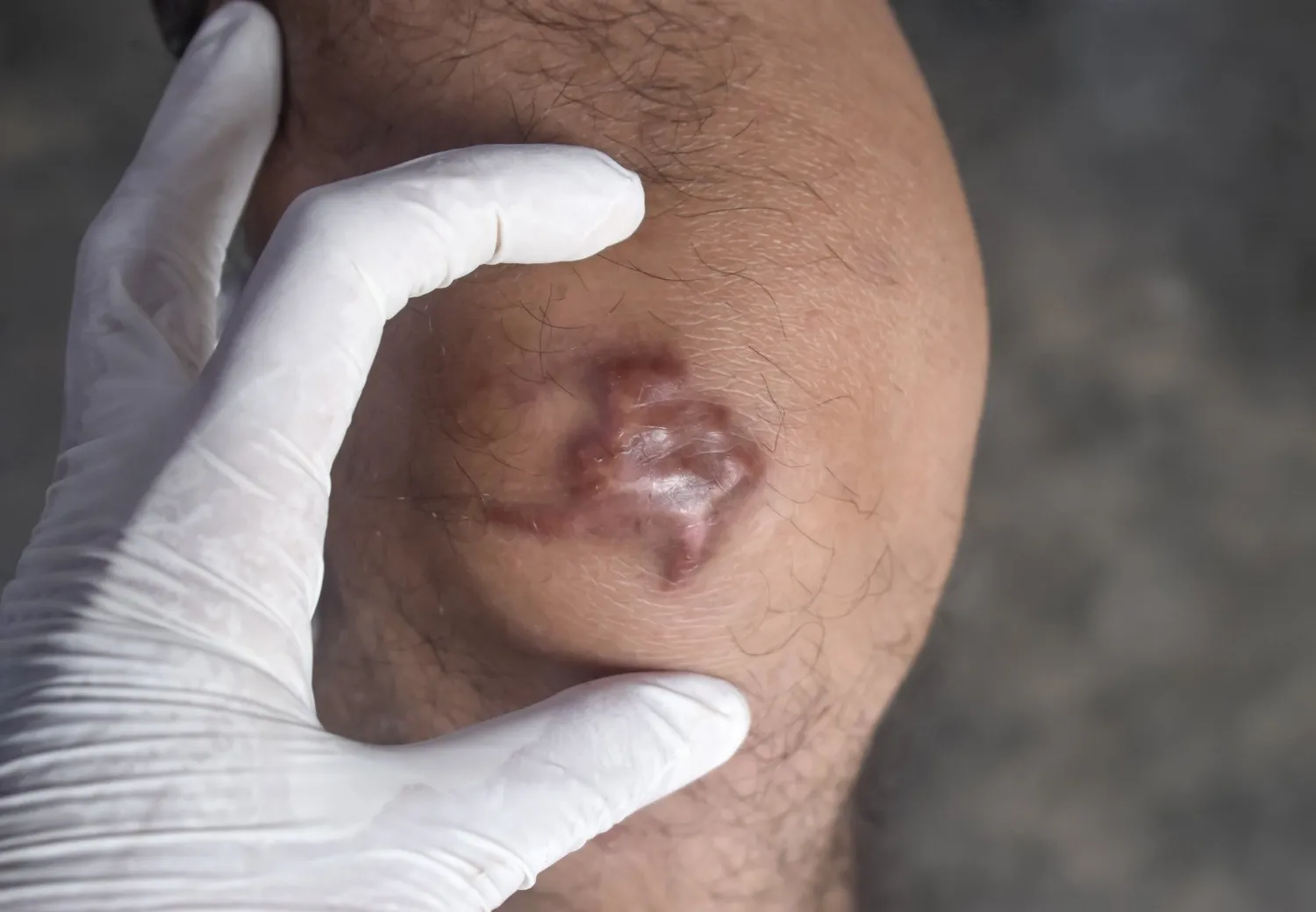
Scars are a natural part of the body's healing process, but not all scars heal in the same way. Some continue growing beyond the original wound and become thick, raised, and firm. These are known as keloids. While they are not usually dangerous, keloids can cause itching, discomfort, cosmetic concerns, and sometimes restricted movement depending on their location. Consulting a Keloid Treatment Specialist helps determine the most appropriate management based on the size, location, and behaviour of the scar.
Unlike ordinary scars, keloids continue growing even after the skin has healed. Early evaluation often allows treatment before they become larger and more difficult to manage.
What Causes Keloids?
Keloids develop when the body produces excessive collagen during wound healing.
They may occur after:
- Ear piercing
- Acne
- Surgical procedures
- Cuts and injuries
- Burns
- Vaccination sites
- Insect bites
Some people also have a genetic tendency to develop keloids more easily than others.
How Keloids Differ From Normal Scars
Many people confuse hypertrophic scars with keloids.
Keloids usually:
- Extend beyond the original injury
- Continue enlarging over time
- Feel firm or rubbery
- May itch or become tender
- Are more likely to recur if untreated
Proper diagnosis is important because treatment strategies differ.
Available Treatment Options
The choice of treatment depends on several clinical factors.
A dermatologist may recommend:
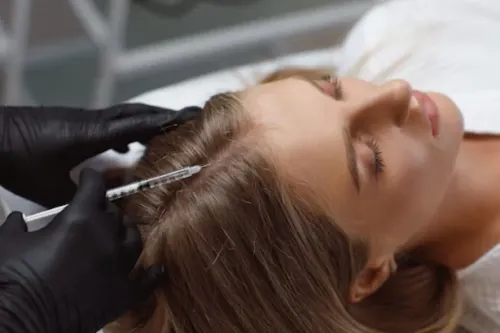
- Corticosteroid injections
- Silicone gel sheets
- Pressure therapy
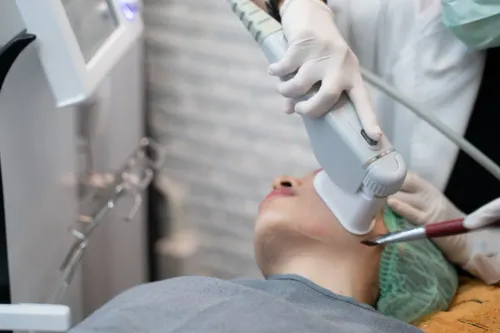
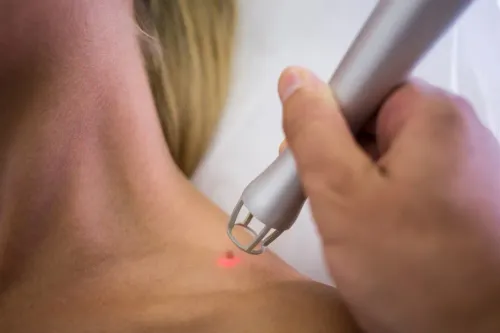
- Laser procedures in selected cases
- Cryotherapy for appropriate lesions
- Surgical removal combined with additional therapies when indicated
Treatment plans often involve a combination approach to reduce recurrence.
Why Early Treatment Matters
Smaller keloids may respond more effectively to conservative management than long-standing, larger scars.
Seeking evaluation early may help:
- Reduce itching and discomfort
- Slow further growth
- Improve cosmetic appearance
- Lower the chance of complications
- Plan treatment before the scar enlarges significantly
Preventing Future Keloids
People with a history of keloids should inform healthcare professionals before undergoing cosmetic procedures or surgeries.
Helpful precautions may include:
- Avoiding unnecessary skin trauma
- Following wound care instructions carefully
- Seeking early treatment if abnormal scar growth begins
- Monitoring healing after piercings or procedures
Residents of Kalas often seek dermatology consultation when raised scars continue increasing in size or become cosmetically noticeable. Professional assessment helps determine whether the scar is a keloid and which treatment approach may offer the best outcome.
At Dr. Megha Kadam, scar evaluation focuses on identifying the type of scar, understanding previous treatments, and developing an individualised management plan. Care is based on clinical assessment rather than a single treatment method for every patient.
Although keloids can be challenging to manage, early diagnosis and appropriate treatment planning can help improve both comfort and appearance over time.
Keywords