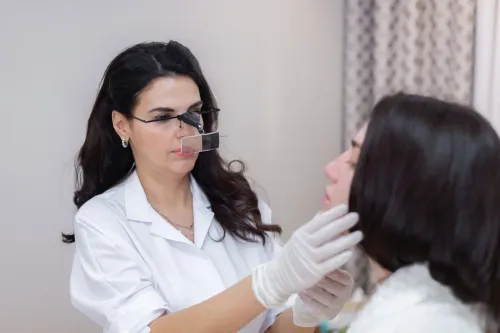
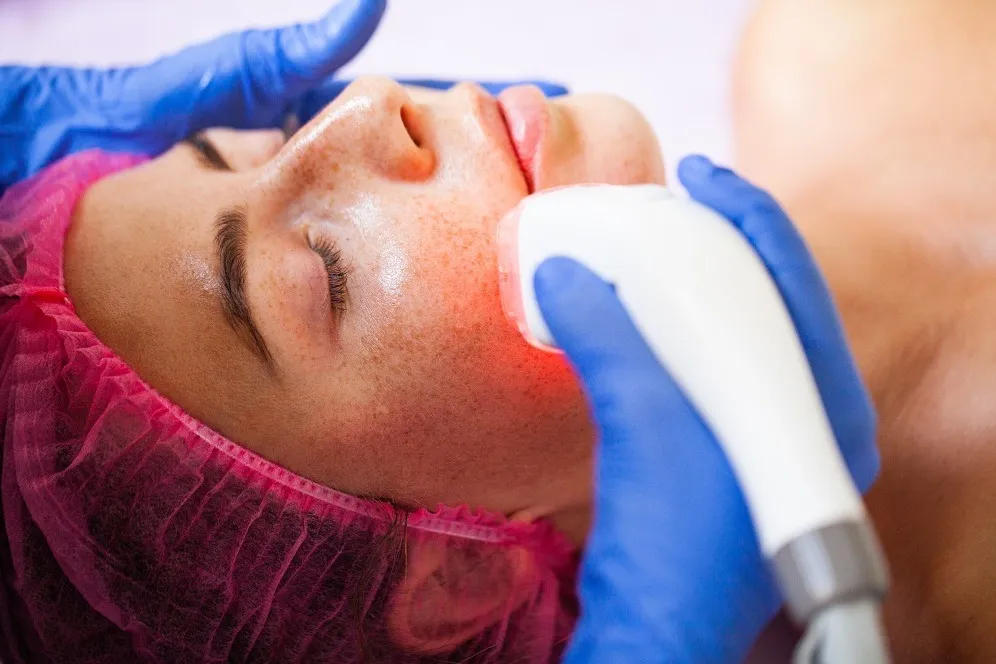
Dark spots can remain on the skin long after acne, inflammation, sun exposure, or minor injuries have healed. While some marks gradually fade on their own, others persist for months or even years, affecting overall skin appearance. A Dark Spot Reduction Treatment Specialist evaluates the cause of pigmentation before recommending treatment that suits the individual's skin type and concerns.
Skin pigmentation develops when excess melanin accumulates in certain areas. Although pigmentation is common, the underlying reason varies from person to person, making accurate diagnosis an important part of treatment planning.
Common Reasons Behind Dark Spots
Pigmentation can develop from several different causes.
These include:
- Acne marks
- Sun exposure
- Hormonal changes
- Skin injuries
- Inflammatory skin disorders
- Certain medications
Understanding the cause helps determine which treatments are likely to be most effective.
Different Types of Pigmentation
Not every dark patch behaves the same way.
A dermatologist may evaluate whether pigmentation is related to:
- Post-inflammatory hyperpigmentation
- Melasma
- Freckles
- Sun spots
- Age-related pigmentation
Each condition may respond differently to treatment.
Why Home Remedies Often Produce Limited Results
Many online remedies promise rapid skin lightening, yet some ingredients may irritate the skin or worsen pigmentation.
Professional assessment helps avoid unnecessary experimentation and identifies products suitable for the individual's skin.
Treatment Options May Include
Management depends on the diagnosis, skin sensitivity, and depth of pigmentation.
Treatment recommendations may include:
- Prescription creams
- Chemical peels
- Medical-grade skincare
- Laser procedures where appropriate
- Sun protection guidance
Treatments are usually introduced gradually to minimise irritation while improving skin tone.
Preventing Pigmentation From Returning
Long-term results depend on protecting the skin after treatment.
Helpful habits include:
- Daily sunscreen use
- Gentle cleansing
- Avoiding picking at acne
- Following prescribed skincare
- Limiting excessive sun exposure
Without adequate sun protection, pigmentation may recur despite treatment.
When Should Pigmentation Be Evaluated?
Professional consultation may be beneficial if:
- Dark spots continue increasing
- Pigmentation affects self-confidence
- Home treatments fail
- Pigmentation follows acne
- Uneven skin tone persists for several months
People living in Lohgaon increasingly seek dermatological advice for stubborn pigmentation that does not improve despite using cosmetic products. Identifying the exact cause often prevents unnecessary treatments and improves treatment planning.
At Dr. Megha Kadam, pigmentation assessment considers skin type, medical history, previous skincare routines, and the nature of the pigmentation before recommending suitable treatment options. The clinic focuses on personalized dermatological care rather than one-size-fits-all solutions.
Improving pigmentation often requires patience, consistency, and treatments selected according to the underlying cause rather than the appearance alone.
Keywords