Hair shedding is a normal part of the hair growth cycle. However, when hair loss becomes excessive or continues for several weeks, it may indicate an underlying issue that deserves professional attention. Consulting a Hair Fall Treatment Specialist can help determine why hair loss is occurring and whether early intervention may improve outcomes.
Hair loss affects both men and women and can occur gradually or suddenly. While genetics play a significant role for many individuals, nutritional deficiencies, hormonal changes, stress, illness, medications, and scalp disorders may also contribute.
Normal Hair Fall Compared With Excessive Hair Loss
Losing some hair every day is expected.
Professional evaluation may be appropriate if you notice:
- Increased hair shedding while washing
- Hair collecting on pillows
- Widening parting
- Reduced hair density
- Visible scalp
- Receding hairline
- Patchy hair loss
Recognising these changes early allows timely investigation.
Common Reasons Behind Hair Loss
Hair loss rarely has a single cause.
Some common contributing factors include:
- Hereditary hair loss
- Iron deficiency
- Thyroid disorders
- Hormonal imbalance
- Stress-related shedding
- Recent illness
- Pregnancy-related changes
- Scalp infections
Proper diagnosis is important because treatment varies according to the underlying condition.
Why Self-Treatment Does Not Always Work
Many people purchase shampoos, oils, or supplements based on advertisements without knowing the actual reason behind their hair loss.
Using unsuitable products may delay appropriate treatment while the underlying condition continues progressing.
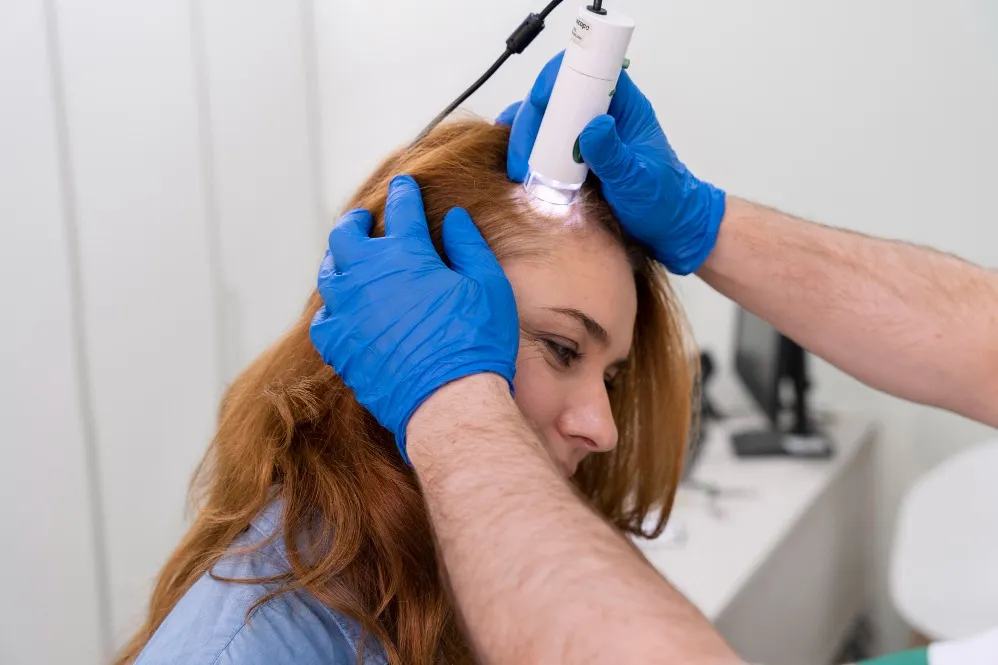
A specialist typically performs a detailed assessment that may include:
- Medical history
- Hair loss pattern
- Scalp examination
- Lifestyle review
- Family history
- Laboratory investigations when required
Modern Hair Restoration Approaches
Depending on the diagnosis, management may involve one or more treatment options.
Examples include:
- Medical therapy
- Nutritional correction
- Scalp treatments
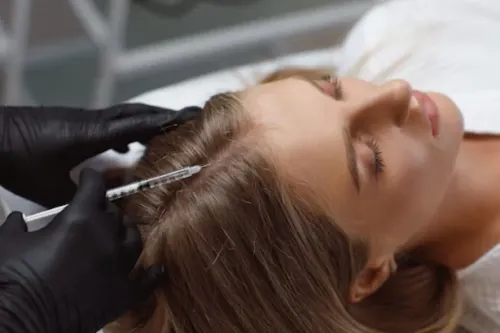
- GFC therapy in suitable candidates
- Lifestyle modifications
- Management of underlying medical conditions
Treatment generally focuses on preserving existing hair while encouraging healthier growth where possible.
Daily Hair Care Habits That Support Treatment
Simple habits can help reduce unnecessary hair damage.
These include:
- Avoiding excessive heat styling
- Using mild shampoos
- Managing stress
- Eating a balanced diet
- Avoiding tight hairstyles
- Protecting hair from excessive chemical treatments
Consistency often plays an important role during recovery.
When Is Professional Assessment Recommended?
Consider seeking evaluation if:
- Hair fall continues for more than three months
- Bald patches appear
- Hair becomes noticeably thinner
- The scalp feels itchy or inflamed
- Previous treatments have not helped
Residents of Dhanori increasingly seek dermatological evaluation when persistent hair loss begins affecting confidence or daily grooming. Early assessment may help identify treatable causes before significant thinning develops.
At Dr. Megha Kadam, hair loss evaluation begins with understanding the individual's medical history, scalp condition, and pattern of hair loss before recommending personalized treatment options. The clinic focuses on evidence-based dermatology to help patients understand the factors influencing healthy hair growth.
Hair loss can have many possible causes, and early diagnosis often offers more treatment possibilities than waiting until thinning becomes advanced.
Keywords