Hair thinning and excessive hair fall are concerns that affect both men and women at different stages of life. While losing a small number of hair strands every day is considered normal, noticeable hair shedding, reduced hair density, or widening of the hair parting may indicate an underlying problem that requires professional attention.
As awareness about non-surgical hair restoration grows, many people come across treatments such as hair boosters and PRP (Platelet-Rich Plasma) therapy. Although both are designed to improve hair health, they are not the same treatment and may not be suitable for everyone.
If you are looking for the best hair boosters treatment specialist in Khadki, understanding the differences between these two approaches can help you make a more informed decision.
Why Does Hair Fall Occur?
Hair loss can develop for several reasons, and identifying the underlying cause is the first step before considering any treatment.
Some of the most common causes include:
- Hereditary hair loss
- Hormonal imbalance
- Nutritional deficiencies
- Stress
- Thyroid disorders
- Post-pregnancy hormonal changes
- Certain medications
- Scalp conditions
- Age-related hair thinning
Since the cause varies from person to person, a treatment that works well for one individual may not deliver the same results for another.
What Are Hair Boosters?
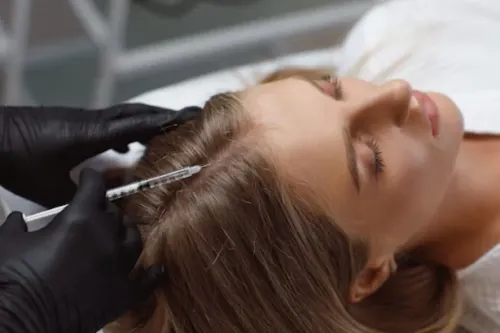
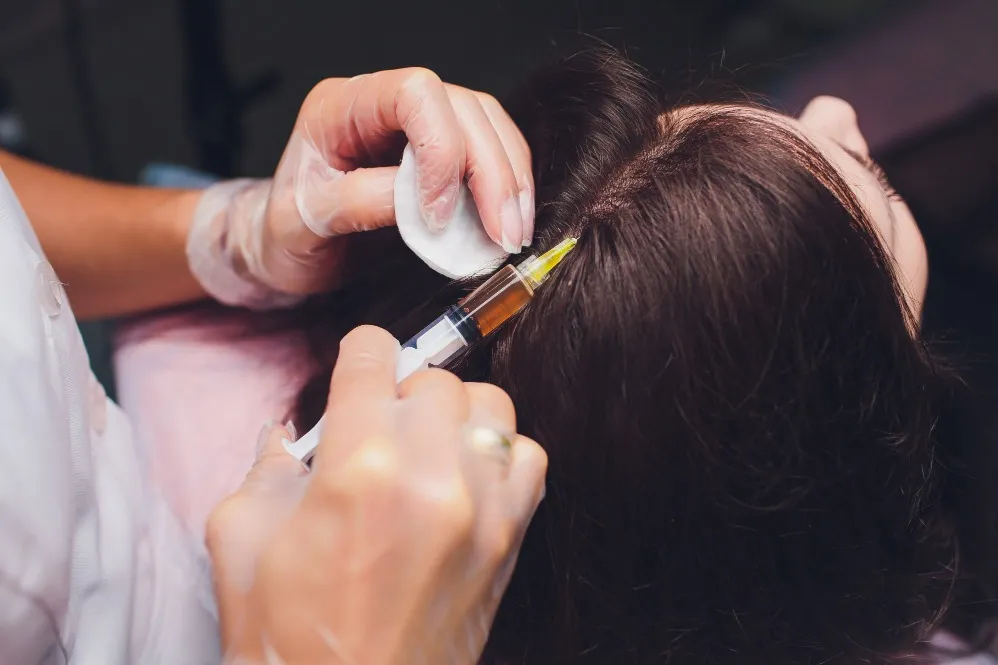
Hair boosters are advanced scalp treatments that involve delivering carefully selected nutrients, peptides, vitamins, amino acids, growth-supporting compounds, or other medically approved ingredients directly into the scalp.
The primary goal is to improve scalp health, nourish hair follicles, and create a healthier environment for hair growth.
Hair boosters may help:
- Improve scalp hydration
- Support healthier hair follicles
- Enhance hair thickness
- Improve overall hair quality
- Reduce early-stage hair thinning
- Strengthen weak hair strands
The exact formulation varies depending on the individual's scalp condition and treatment goals.
What Is PRP Therapy?
PRP, or Platelet-Rich Plasma therapy, uses the patient's own blood to prepare a concentrated plasma rich in platelets and natural growth factors.
After processing the blood, the platelet-rich plasma is injected into specific areas of the scalp to stimulate hair follicles.
PRP is commonly recommended for certain types of hair thinning because it utilises naturally occurring healing factors obtained from the patient's own body.
Hair Boosters and PRP: How Do They Differ?
Although both treatments aim to improve hair quality, they work through different mechanisms.
Hair boosters deliver specialised ingredients directly into the scalp to nourish hair follicles and improve scalp health. PRP therapy, on the other hand, relies on the body's own platelet-derived growth factors to stimulate hair follicles.
Another important difference is the preparation process. Hair booster treatments generally involve medically formulated solutions that are ready for clinical use, whereas PRP therapy requires a blood sample to be collected and processed before treatment begins.
The choice between these treatments depends on factors such as the cause of hair loss, scalp condition, overall health, and treatment expectations. In some cases, a specialist may even recommend combining therapies to achieve better outcomes.
Who May Be Suitable for Hair Boosters?
Hair boosters are often considered for individuals who experience:
- Early hair thinning
- Weak or fragile hair
- Reduced hair density
- Dry scalp
- Poor hair quality
- Diffuse hair fall
People seeking non-surgical options for improving overall scalp health may also benefit after a professional evaluation.
What Happens During the Consultation?
A successful hair restoration plan begins with understanding why hair loss has developed.
During a consultation, the specialist may evaluate:
- Pattern of hair loss
- Family history
- Medical conditions
- Hormonal factors
- Nutritional status
- Scalp health
- Previous hair treatments
- Lifestyle habits
This detailed assessment helps identify the most appropriate treatment instead of applying the same approach to every patient.
Can Lifestyle Affect Hair Growth?
Yes. Professional treatments are most effective when combined with healthy lifestyle habits.
Hair health can be supported by:
- Eating a protein-rich balanced diet
- Correcting nutritional deficiencies
- Managing stress
- Getting sufficient sleep
- Maintaining good scalp hygiene
- Avoiding excessive heat styling
- Following the prescribed hair care routine
These measures improve overall scalp health and complement professional treatments.
Why personalized Hair Restoration Matters
Hair loss is a medical concern with multiple possible causes, not simply a cosmetic issue. Choosing a treatment based only on advertisements or online reviews may delay proper diagnosis and reduce the likelihood of achieving the desired results.
For individuals in Khadki, consulting a qualified specialist allows the underlying cause of hair fall to be identified before beginning treatment. Dr. Megha Kadam performs a comprehensive scalp and hair assessment to determine whether hair boosters, PRP therapy, or another evidence-based treatment is the most suitable option. By creating personalized treatment plans based on individual scalp health, hair growth patterns, and long-term goals, patients receive care that focuses on achieving healthier, stronger, and naturally fuller-looking hair over time.
Keywords