Acne marks and pigmentation are among the most common skin concerns that continue to affect people long after acne has healed or sun exposure has faded. While cosmetic creams and home remedies promise quick results, they often fail to address the deeper layers of the skin where discoloration develops. Professional chemical peeling is one of the most effective dermatologist-recommended treatments for improving skin texture, reducing pigmentation, and promoting healthier-looking skin.
If you are searching for the best chemical peeling treatment specialist in Vishrantwadi, understanding how this treatment works, who can benefit from it, and what results to expect can help you make an informed decision.
Why Do Acne Marks and Pigmentation Develop?
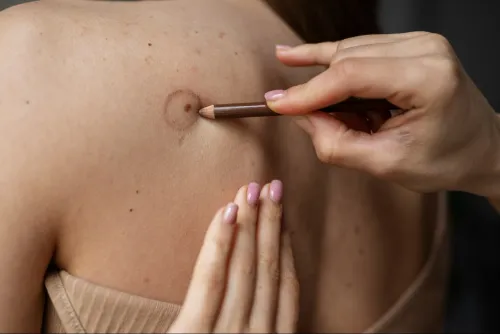
Pigmentation occurs when the skin produces excess melanin, the natural pigment responsible for skin colour. Acne, prolonged sun exposure, hormonal fluctuations, inflammation, ageing, and certain medications can all trigger uneven melanin production.
Common pigmentation concerns include:
- Acne marks and post-inflammatory hyperpigmentation
- Melasma
- Sunspots and age spots
- Uneven skin tone
- Tanning
- Dark patches caused by skin inflammation
These concerns may gradually become more noticeable if left untreated, especially in Indian skin, which naturally contains higher levels of melanin.
What Is Chemical Peeling?
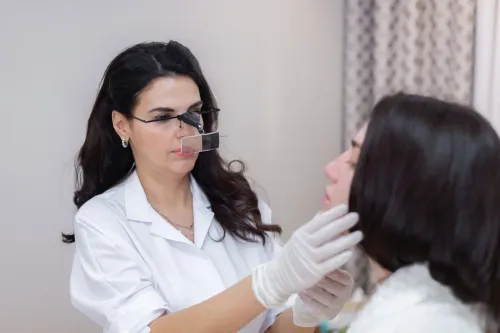
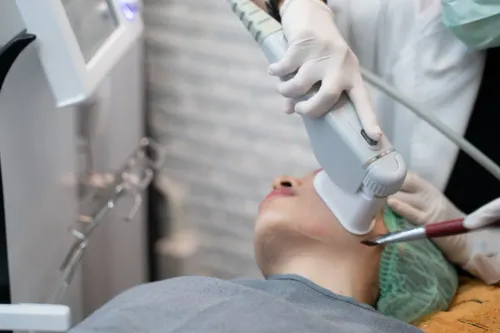
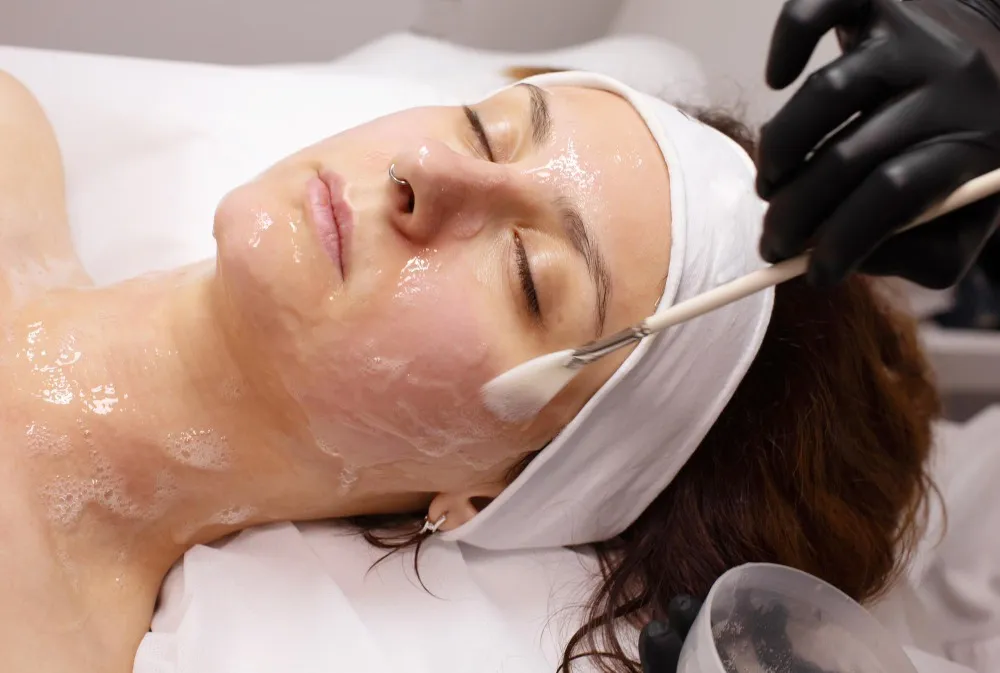
Chemical peeling is a medically supervised skin resurfacing procedure performed by a qualified dermatologist. During the treatment, a specially selected chemical solution is applied to the skin to gently exfoliate damaged outer layers. As old skin cells shed naturally, fresh and healthier skin replaces them.
Unlike facial treatments available at salons, dermatologist-performed chemical peels are selected according to your skin type, pigmentation pattern, sensitivity, and treatment goals. This personalized approach improves both safety and effectiveness.
Depending on your skin concern, the dermatologist may recommend glycolic acid, salicylic acid, lactic acid, mandelic acid, or combination peels that work at different depths of the skin.
How Can Chemical Peels Improve Acne Marks and Pigmentation?
Chemical peels improve skin appearance through controlled exfoliation and stimulation of healthy skin renewal.
Some of the key benefits include:
- Gradual fading of acne marks
- Reduction in superficial pigmentation
- Brighter and more even skin tone
- Improved skin texture
- Smoother complexion
- Reduced appearance of enlarged pores
- Better absorption of dermatologist-prescribed skincare products
Results are progressive rather than immediate. Most patients notice gradual improvement over multiple sessions, depending on the severity of pigmentation and the skin's natural healing response.
Are Chemical Peels Suitable for Indian Skin?
Yes, provided they are performed by an experienced dermatologist.
Indian skin requires careful treatment planning because it is more susceptible to post-inflammatory pigmentation if inappropriate peel strengths are used. A professional consultation helps determine the safest peel based on several factors, including:
- Skin type
- Medical history
- Active acne
- Previous cosmetic procedures
- Lifestyle and sun exposure
- Current skincare routine
This individualised assessment reduces unnecessary risks while improving treatment outcomes.
What Happens During the Procedure?
A chemical peel is generally a straightforward outpatient procedure.
The treatment usually includes:
- Cleansing the skin thoroughly.
- Assessing the treatment area.
- Applying the selected peeling solution.
- Monitoring the skin's response.
- Neutralising or removing the peel when required.
- Applying soothing products and sunscreen.
Most sessions take approximately 20 to 40 minutes, allowing patients to resume most daily activities shortly afterwards.
Some people experience mild redness, tightness, or light peeling for a few days, which is a normal part of the skin renewal process.
Who Can Benefit from Chemical Peeling?
Chemical peeling may be recommended for individuals who have:
- Persistent acne marks
- Mild to moderate pigmentation
- Uneven skin tone
- Dull-looking skin
- Early signs of photoageing
- Rough skin texture
- Mild sun damage
However, not everyone is an ideal candidate. Individuals with active skin infections, open wounds, severe eczema, or certain inflammatory skin conditions may require alternative treatments until the skin has healed.
Can Home Peels Replace Professional Treatment?
Many over-the-counter exfoliating products claim to provide results similar to professional chemical peels. However, there are important differences.
Home products typically contain lower concentrations of active ingredients and are intended for routine skincare maintenance. Professional chemical peels, on the other hand, are carefully selected after evaluating the patient's skin condition and are performed under medical supervision.
Attempting stronger chemical peels without professional guidance may increase the risk of irritation, burns, or worsening pigmentation.
How Can You Maintain the Results?
Maintaining the benefits of chemical peeling requires consistent skincare and sun protection.
Dermatologists generally advise patients to:
- Use a broad-spectrum sunscreen every day.
- Avoid excessive sun exposure during recovery.
- Follow the prescribed skincare routine.
- Keep the skin moisturised.
- Avoid harsh scrubs and unnecessary exfoliation while the skin heals.
- Attend follow-up appointments if multiple sessions are recommended.
These simple measures help protect newly renewed skin and support long-term improvement.
As more people in Vishrantwadi seek evidence-based skin treatments instead of temporary cosmetic solutions, chemical peeling continues to be a trusted option for improving acne marks and pigmentation. Dr. Megha Kadam evaluates each patient's skin condition, medical history, and treatment goals before recommending a personalized chemical peeling plan or suggesting alternative dermatological procedures when they are more appropriate. This patient-centred approach helps ensure that treatment decisions are based on individual skin needs, leading to safer procedures, healthier skin, and realistic long-term results.
Keywords