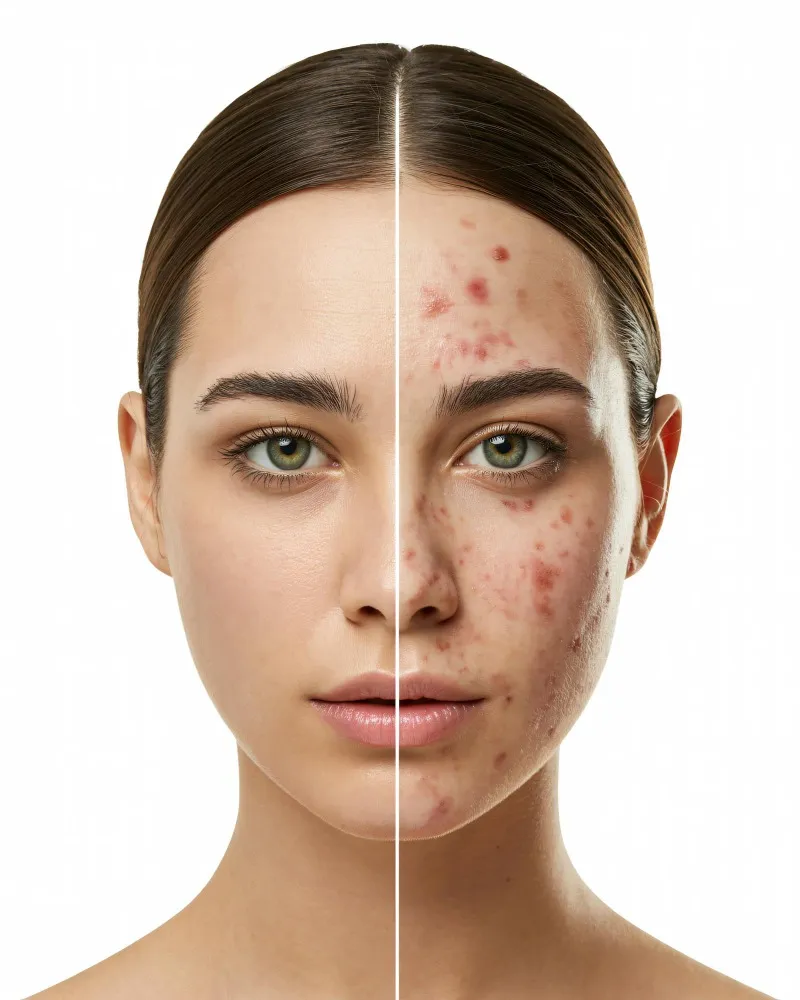
Acne is often associated with teenage years, but it can affect people of almost any age. Some individuals experience occasional pimples that disappear within a few days, while others struggle with painful, recurring breakouts that leave marks long after the acne has healed. When over-the-counter products fail to provide lasting improvement, consulting an Acne Treatment Specialist may help identify the underlying causes and create a treatment plan suited to your skin.
Acne develops when hair follicles become blocked with oil, dead skin cells, and bacteria. Hormonal changes, genetics, stress, cosmetic products, certain medications, and lifestyle factors may all contribute to its development. Because several factors can be involved simultaneously, treating acne successfully often requires more than simply applying creams.
Understanding Different Types of Acne
Not all acne looks the same, and different forms may require different treatment approaches.
Common types include:
- Whiteheads
- Blackheads
- Papules
- Pustules
- Nodules
- Cystic acne
Inflammatory acne, particularly nodules and cysts, has a higher likelihood of causing permanent scarring if left untreated.
Why Acne May Continue Despite Skincare Products
Many people spend months trying different cleansers, serums, and home remedies without significant improvement. This often happens because the visible pimples are only one part of a much larger process occurring beneath the skin.
Several factors may contribute to persistent acne:
- Excess oil production
- Hormonal fluctuations
- Bacterial overgrowth
- Skin inflammation
- Genetic predisposition
- Improper skincare routines
An accurate diagnosis helps determine which factors are contributing most significantly.
Treatment Plans Are Usually Individualised
An Acne Treatment Specialist evaluates several aspects before recommending treatment.
These may include:
- Age
- Skin type
- Acne severity
- Previous treatments
- Presence of acne scars
- Hormonal influences
- Existing medical conditions
Instead of recommending identical treatments for every patient, therapy is generally selected according to individual skin needs.
Available Treatment Options
Modern dermatology offers multiple treatment options depending on the type and severity of acne.
These may include:
- Prescription topical medications
- Oral medications where appropriate
- Chemical peels
- Medical-grade skin care
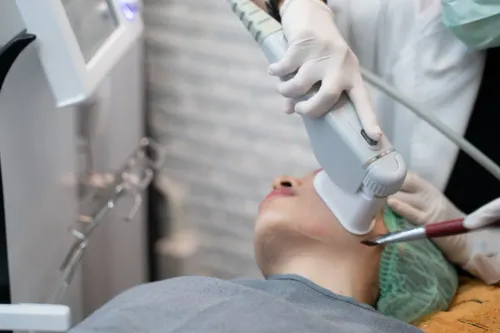
- Laser-based procedures for selected cases
- Acne scar management after active acne improves
Treatment plans often change over time as the skin responds.
Daily Habits That Support Acne Control
Medical treatment works best when combined with healthy skincare practices.
Helpful habits include:
- Cleansing gently twice daily
- Using non-comedogenic skincare products
- Avoiding excessive scrubbing
- Refraining from squeezing pimples
- Applying sunscreen regularly
- Maintaining consistency with prescribed treatment
While diet affects acne differently in different people, some individuals may benefit from discussing dietary patterns with their dermatologist.
When Should You Consult a Specialist?
Professional evaluation becomes more important if you notice:
- Frequent painful pimples
- Acne lasting several months
- Dark spots after acne heals
- Visible acne scars
- Acne affecting confidence
- Minimal improvement despite home care
Early treatment may reduce the risk of long-term scarring.
People living in Vishrantwadi often seek dermatology consultation when acne begins affecting daily confidence, work, or social interactions. Receiving timely assessment allows treatment to begin before the condition progresses further.
At Dr. Megha Kadam, every acne assessment focuses on identifying the factors contributing to the condition before recommending suitable management. The clinic combines clinical evaluation with personalised dermatological care to help patients manage acne while protecting long-term skin health.
Healthy skin rarely improves through trial and error alone. Understanding the cause of acne is often the first step toward achieving clearer skin with evidence-based treatment rather than temporary solutions.
Keywords