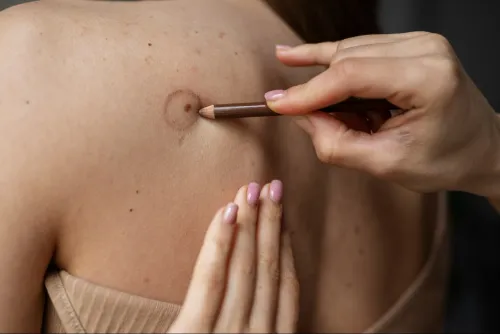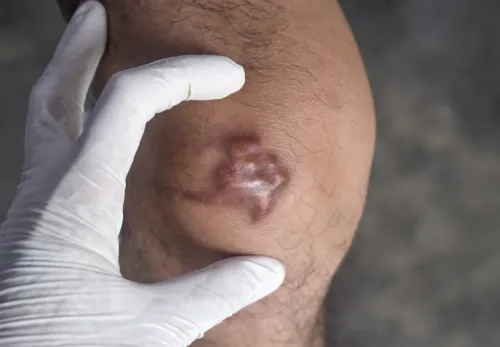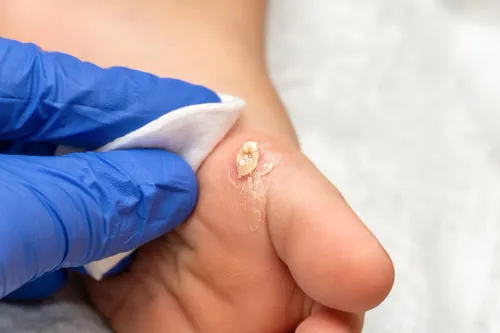

It’s not always severe in the beginning… just a little itching, maybe a reddish patch, something that feels manageable. But fungal infections have a pattern, they improve slightly, then come back again. And over time, that cycle becomes more annoying than expected.
What many people don’t realise is that fungal infections thrive in very specific conditions, moisture, friction, sweat, and sometimes even shared surfaces. So even if the visible patch fades, the underlying trigger often remains. That’s why recurrence is so common.
Treatment, in reality, goes beyond just applying an antifungal cream for a few days. It may involve a combination of oral medication (when needed), topical care, and simple but important adjustments in daily habits, like managing moisture, choosing breathable fabrics, or avoiding repeated exposure. Consistency plays a bigger role than intensity here.
Dr. Megha Kadam in Dhanori looks at fungal infections from this broader perspective, not just treating what’s visible on the skin, but also identifying why it keeps coming back in the first place. That approach tends to make a difference, especially in cases where the issue has been repeating despite multiple attempts.
If you’ve noticed itching that disappears and reappears in cycles, or patches that never fully clear, it may be worth understanding the cause more clearly instead of treating it temporarily each time.
Keywords